- English
- French
- German
- Portuguese
- Spanish
- Russian
- Japanese
- Korean
- Arabic
- Greek
- German
- Turkish
- Italian
- Danish
- Romanian
- Indonesian
- Czech
- Afrikaans
- Swedish
- Polish
- Basque
- Catalan
- Esperanto
- Hindi
- Lao
- Albanian
- Amharic
- Armenian
- Azerbaijani
- Belarusian
- Bengali
- Bosnian
- Bulgarian
- Cebuano
- Chichewa
- Corsican
- Croatian
- Dutch
- Estonian
- Filipino
- Finnish
- Frisian
- Galician
- Georgian
- Gujarati
- Haitian
- Hausa
- Hawaiian
- Hebrew
- Hmong
- Hungarian
- Icelandic
- Igbo
- Javanese
- Kannada
- Kazakh
- Khmer
- Kurdish
- Kyrgyz
- Latin
- Latvian
- Lithuanian
- Luxembou..
- Macedonian
- Malagasy
- Malay
- Malayalam
- Maltese
- Maori
- Marathi
- Mongolian
- Burmese
- Nepali
- Norwegian
- Pashto
- Persian
- Punjabi
- Serbian
- Sesotho
- Sinhala
- Slovak
- Slovenian
- Somali
- Samoan
- Scots Gaelic
- Shona
- Sindhi
- Sundanese
- Swahili
- Tajik
- Tamil
- Telugu
- Thai
- Ukrainian
- Urdu
- Uzbek
- Vietnamese
- Welsh
- Xhosa
- Yiddish
- Yoruba
- Zulu
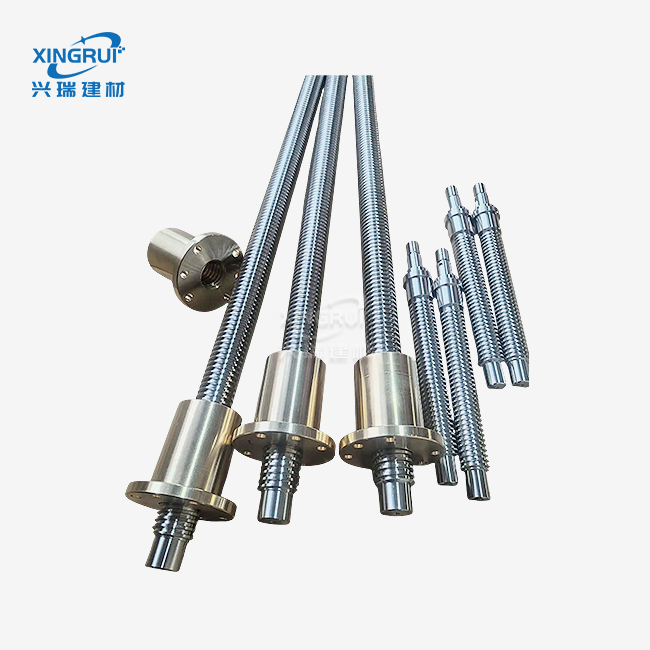
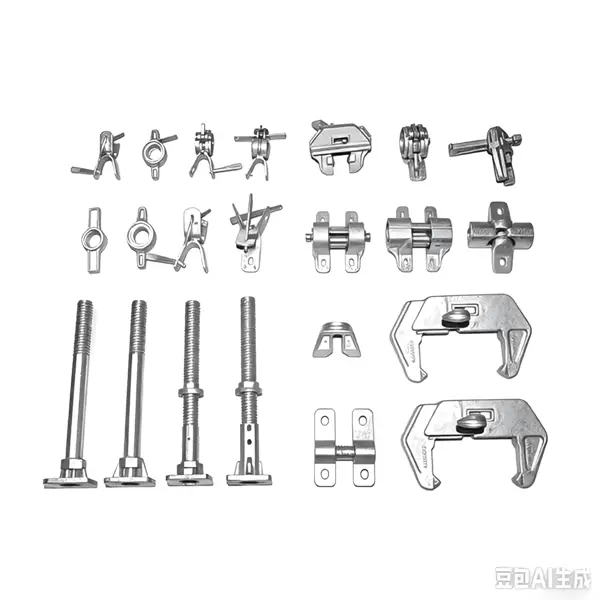
adjusting nut for steel prop
2. Dedicated adjustment accessory for support systems; regular threads, smooth adjustment, wear-resistant, with stable precision
3. Works with standard wrench operation
4. Custom sizing available, reusable
5. Backed by ISO 9001, ISO 14001, and ISO 45001 management system certifications.
6. Samples and technical guidance available
Adjusting Nut for Steel Prop - Premium Construction Support Component
Shandong Xingrui Building Materials Co., Ltd. manufactures high-performance adjusting nut for steel prop systems using cast carbon steel material. Our component features T-type serrated internal threads with an outer diameter of 50mm and thickness of 22mm, delivering a locking force exceeding 40kN. Manufactured in our 79,800-square-meter facility equipped with 12 welding robots and 5 semi-automatic forging lines, each adjusting nut undergoes strict quality inspection backed by ISO 9001, ISO 14001, and CE certifications. Our 920-strong workforce, including 180 professional technicians, ensures precision manufacturing with standard wrench compatibility and reusable design for cost-effective construction operations.
What is an Adjusting Nut for Steel Prop?
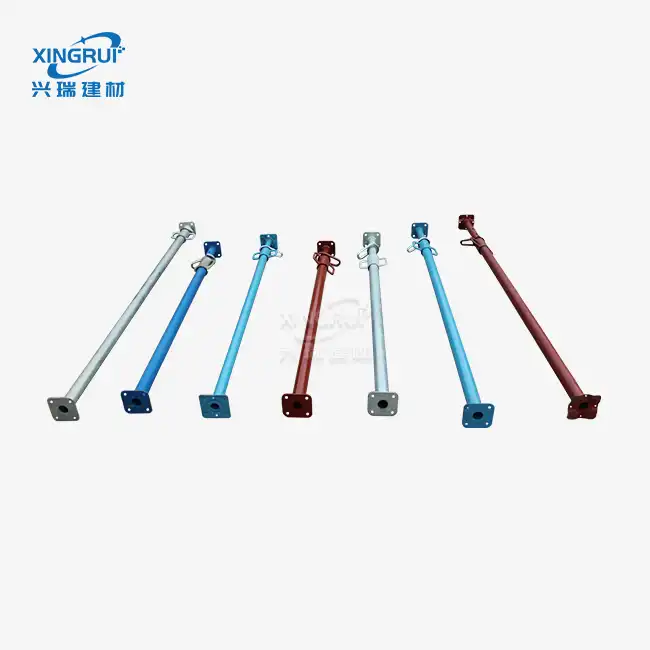
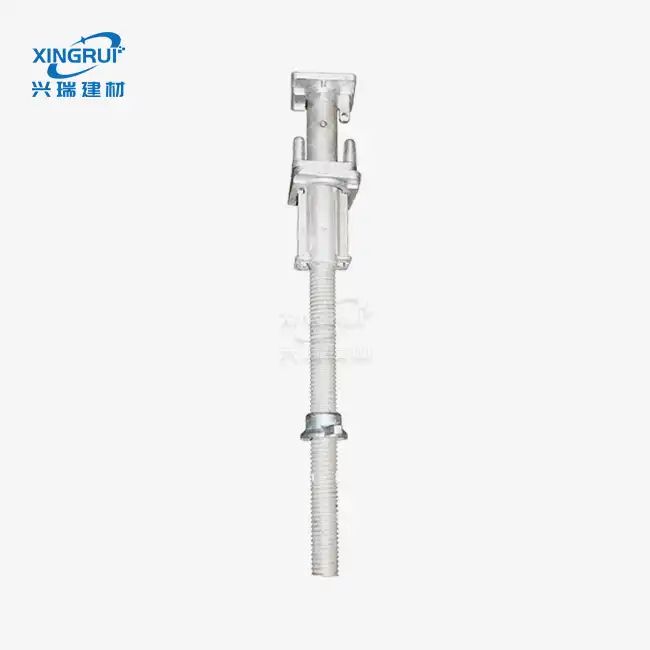
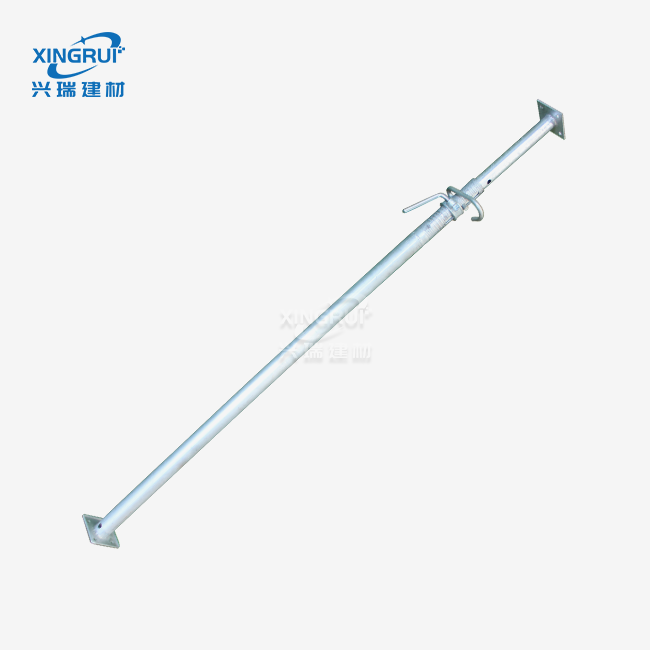
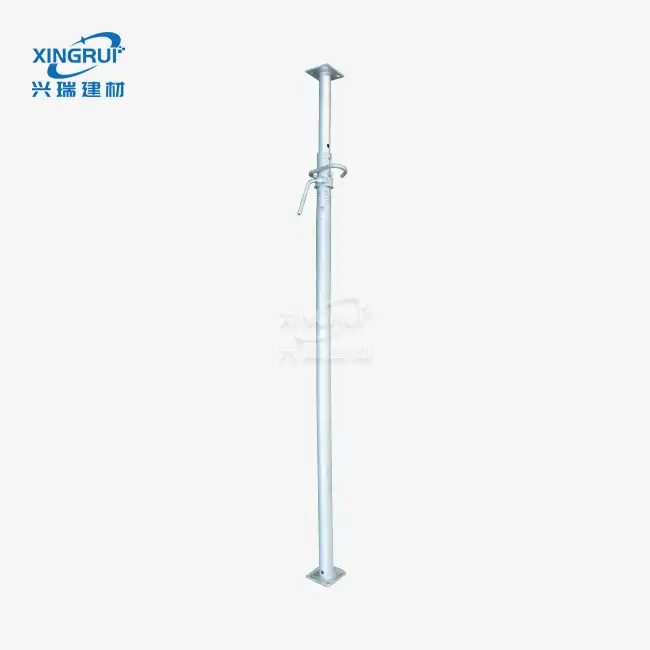
The product serves as the critical mechanical collar in telescopic shoring systems, enabling precise height regulation for formwork support. This threaded component sits on the outer tube sleeve, allowing millimeter-accurate vertical adjustments under heavy structural loads.
The component solves three key challenges in modern construction. First, it eliminates the limitations of fixed-height systems. Second, it creates a stable load-transfer interface between telescopic sections. Third, engineered thread clearances prevent the common seizing issues that compromise safety on job sites.
Our cast carbon steel construction provides superior wear resistance compared to standard materials. The T-type sawtooth thread design ensures smooth transmission even under compression, while maintaining the structural integrity required for professional applications.
Technical Specifications
| Parameter | Specification |
|---|---|
| Material | Cast Carbon Steel |
| Thread Type | Standard Internal T-Type Sawtooth |
| Outer Diameter | 50mm |
| Thickness | 22mm |
| Load Locking Force | ≥40kN |
| Surface Finish | Electrostatic Spraying Available |
| Compatibility | Standard Wrench Operation |
| Customization | Available on Request |
| Weight Range | 400g - 1200g (varies by design) |
| Quality Standards | ISO 9001, ISO 14001, CE Certified |
Key Product Advantages
Superior Material Engineering
Our cast carbon steel composition delivers exceptional tensile strength and impact resistance. The material prevents brittle fracture under heavy slab loads, outperforming conventional malleable iron alternatives in demanding environments.
The T-type serrated thread profile creates strong locking force while maintaining smooth rotation. This design allows adjustment even when props experience partial compression during concrete pouring operations.
Universal Compatibility
Each nut matches standard wrench dimensions for easy operation. You can integrate our components seamlessly with various telescopic steel prop systems without requiring specialized tools.
The precision-engineered threads fit multiple sleeve types. This versatility reduces inventory complexity for contractors managing diverse shoring equipment across multiple project sites.
Extended Service Life
Our manufacturing process includes electrostatic spraying options for enhanced corrosion resistance. This protective coating extends operational lifespan in high-humidity environments like tunnel construction and underground shoring.
The reusable design provides significant cost savings over single-use alternatives. Proper maintenance allows hundreds of adjustment cycles without performance degradation, making it ideal for formwork rental operations.
Application Scenarios
High-Rise Concrete Casting
In slab formwork systems, our adjusting nut for steel prop enables leveling accuracy within millimeter tolerances. This precision ensures perfectly flat ceiling surfaces, eliminating costly rework and material waste.
The smooth adjustment mechanism operates reliably even in environments filled with concrete dust. The self-cleaning thread design prevents debris accumulation that could compromise adjustment capability.
Underground Tunnel Shoring
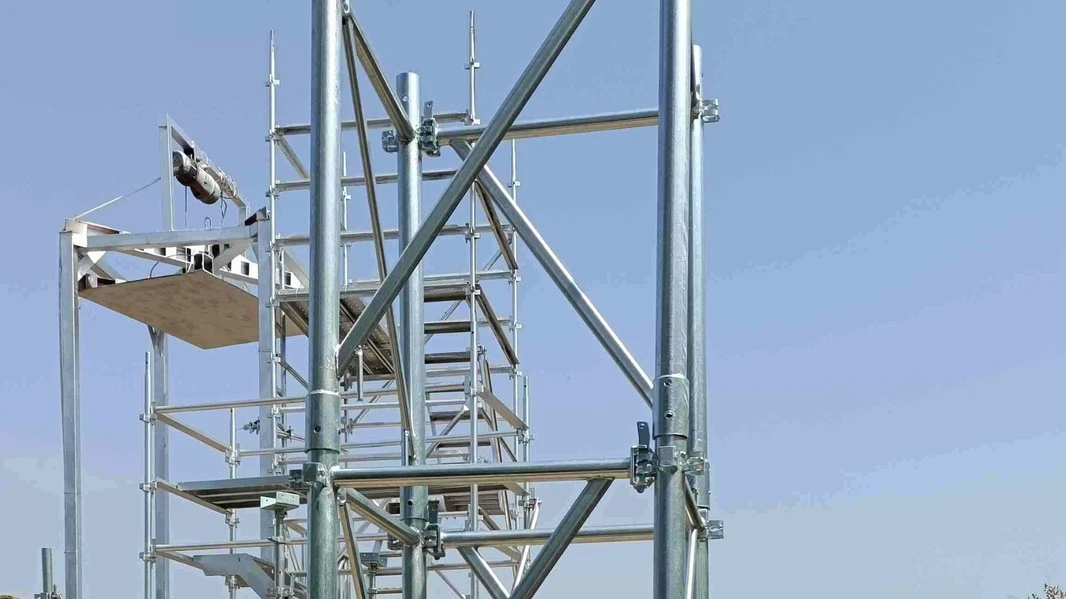
Specialized galvanized versions resist oxidative seizing in high-humidity conditions. These components maintain operational reliability for trench lining and subway support where equipment failure poses severe safety risks.
The load locking force exceeding 40kN provides secure support for earth retention systems. This strength ensures stable shoring during excavation in challenging soil conditions.
Structural Renovation Projects
During needling processes for load-bearing wall removal, our nuts provide controlled load transfer. The smooth operation under significant pre-load conditions allows safe redistribution of structural forces.
The component withstands abrasive environments common in demolition work. Resistance to concrete slurry and construction debris maintains performance throughout extended renovation timelines.
Quality Control Standards
Shandong Xingrui implements comprehensive inspection protocols for every production batch. Our quality management focuses on five critical areas that ensure reliable performance in professional applications.
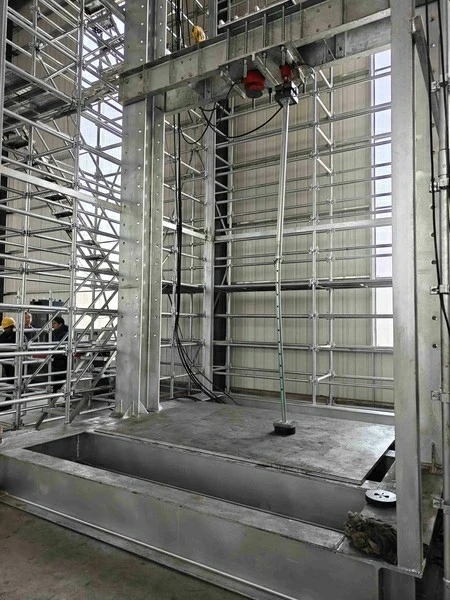
Tensile load testing verifies each nut withstands rated kilonewton loads without thread stripping. We use Go/No-Go thread gauges to confirm dimensional tolerances match prop sleeve specifications precisely.
Material analysis through spectrographic testing validates carbon and silicon content. Surface coating inspection includes salt spray testing to verify zinc layer thickness and longevity in corrosive environments.
Hardness testing using Brinell methods ensures wear resistance after repeated adjustment cycles. This multi-stage verification process maintains consistency across our entire production volume of over 1,000 accessory types.
FAQ
Q:Why choose cast carbon steel over standard cast iron?
A:Cast carbon steel provides significantly higher elongation and impact toughness. This prevents sudden failure under dynamic loads during concrete pouring, offering superior safety margins for your projects.
Q:How do you prevent thread seizing after long-term use?
A:Our self-cleaning thread design combined with optional galvanized finish prevents rust-bonding. Regular cleaning with wire brushes and light lubrication extends operational life substantially.
Q:Can these nuts replace worn components from other manufacturers?
A:Replacement requires precise matching of thread pitch and diameter. We provide technical specifications and samples to verify compatibility before bulk orders, ensuring safe integration with your existing equipment.
Q:What's the difference between adjustment methods?
A:Standard wrench operation provides controlled force application. Some models accept light hammer strikes for adjustments under load, though wrench operation remains the recommended primary method.
Q:Does the nut affect overall prop load ratings?
A:Absolutely. The nut and pin create the primary load transfer points. Using certified components matching your prop specifications is mandatory for maintaining system safety ratings.
Contact Us
Ready to enhance your shoring system reliability with adjusting nut for steel prop? Contact our technical team at sdxingruiqp@126.com for specification sheets, custom sizing options, and volume pricing. We support global construction projects with proven quality and responsive service.
Learn about our latest products and discounts through SMS or email