- English
- French
- German
- Portuguese
- Spanish
- Russian
- Japanese
- Korean
- Arabic
- Greek
- German
- Turkish
- Italian
- Danish
- Romanian
- Indonesian
- Czech
- Afrikaans
- Swedish
- Polish
- Basque
- Catalan
- Esperanto
- Hindi
- Lao
- Albanian
- Amharic
- Armenian
- Azerbaijani
- Belarusian
- Bengali
- Bosnian
- Bulgarian
- Cebuano
- Chichewa
- Corsican
- Croatian
- Dutch
- Estonian
- Filipino
- Finnish
- Frisian
- Galician
- Georgian
- Gujarati
- Haitian
- Hausa
- Hawaiian
- Hebrew
- Hmong
- Hungarian
- Icelandic
- Igbo
- Javanese
- Kannada
- Kazakh
- Khmer
- Kurdish
- Kyrgyz
- Latin
- Latvian
- Lithuanian
- Luxembou..
- Macedonian
- Malagasy
- Malay
- Malayalam
- Maltese
- Maori
- Marathi
- Mongolian
- Burmese
- Nepali
- Norwegian
- Pashto
- Persian
- Punjabi
- Serbian
- Sesotho
- Sinhala
- Slovak
- Slovenian
- Somali
- Samoan
- Scots Gaelic
- Shona
- Sindhi
- Sundanese
- Swahili
- Tajik
- Tamil
- Telugu
- Thai
- Ukrainian
- Urdu
- Uzbek
- Vietnamese
- Welsh
- Xhosa
- Yiddish
- Yoruba
- Zulu
Loose Steel Tube Scaffolding Import Guide: Costs, Standards and Tips
Importing loose steel tube scaffolding into the U.S. market requires more than just finding the lowest price per ton. This guide walks procurement managers and bulk traders through real cost structures, applicable international standards, and practical tips that protect your margins and keep downstream buyers satisfied. Whether you source steel pipe scaffolding components for resale, rental fleet expansion, or project supply, understanding the full procurement picture helps you move faster and smarter when market conditions shift.
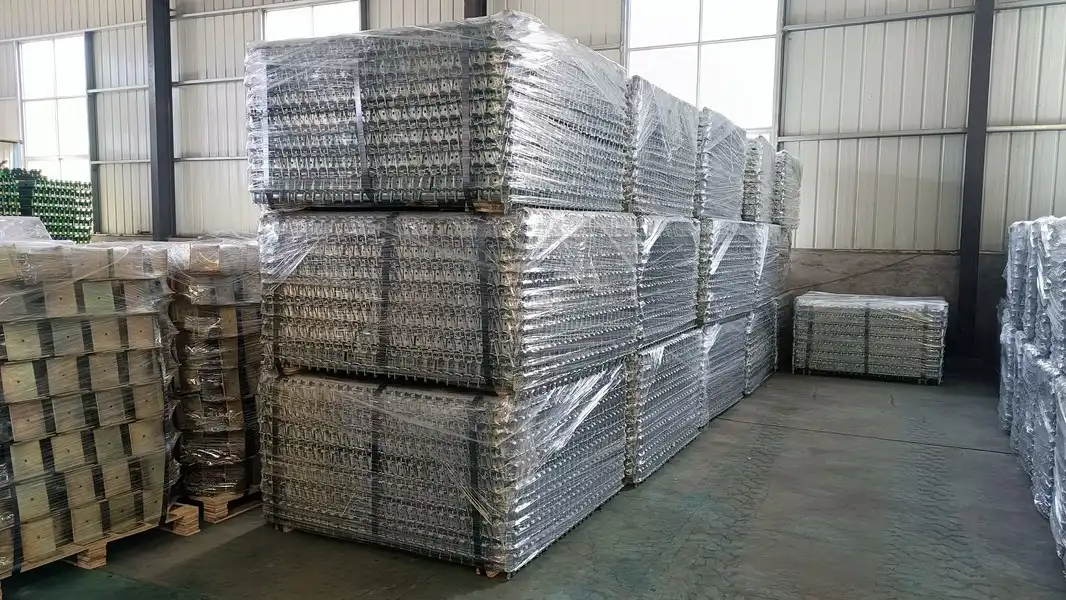
Understanding Loose Steel Tube Scaffolding: Features, Uses, and Benefits
Tube and coupler scaffolding is a type of structure made from individual steel pipes connected by couplers, instead of frames that have already been put together. Its geometry is free in a way that welded or modular systems just can't match thanks to its architecture.
What It Is and How It Works
The pipe, coupler, base plate, and toe board are all separate parts that can be shipped and stored separately. On-site, workers put them together in any way that the structure needs. There are no unique connectors or set node spacings, and you don't have to waste material that is locked into a form you don't need.
Where It Performs Best?
Three types of jobs that steel pipe scaffolding systems do really well are: scattered construction patches where only a small part of a building needs temporary support; irregular structural geometries like curved facades or plant equipment surrounds; and local reinforcement on renovation sites where it's not possible to set up a full system.
Core Benefits for Bulk Traders
When it comes down to it, these are the benefits that trading companies and rental businesses care about the most:
- Stock flexibility: Independent bars in standard 48.3 mm outer diameter are universally compatible with EN 74 and BS 1139 couplers, reducing dead inventory risk when reselling to mixed downstream buyers.
- Cut-to-length adaptability: Pipes can be trimmed on demand, so your customers waste less material per job, which reduces complaints and return requests.
- Reusability across multiple project cycles: Q235 steel tubes with hot-dip galvanization and a zinc coating of 40–60 microns deliver a service life of 10–15 years under normal site conditions, supporting a viable rental or second-use model.
Tube and coupler systems are long-lasting and easy to sell for traders who work with small and medium-sized construction companies because of these factors.
Costs and Procurement Considerations for Steel Pipe Scaffolding
The price per ton is just the beginning; it's not the end. A full landed-cost estimate makes a big difference in how the rival offers rank.
Breaking Down the True Landed Cost
For loose steel tube scaffolding goods, ocean freight from Chinese ports to U.S. West Coast ports usually costs an extra $80 to $140 per metric ton, depending on how full the containers are and the time of year. When placed correctly, a full 20-foot bin can hold about 20–22 metric tons of loose scaffolding pipes. Carbon steel tubes imported under HTS Code 7306.30 currently have a Section 301 tariff. Before placing an order, make sure you know what the current rate is by talking to a licensed customs broker.
Rental vs. Purchase: A Trade-Off Worth Calculating
When you buy large pipe stock, it locks up your working capital, but you also create a product that you can sell or rent out and make money from. Renting from a domestic yard gets rid of the hassle of importing, but it also gets rid of the chance to make a profit. When the landed cost per ton is locked below the local market price, traders who own their own rental fleet or sell to hardware stores usually make more money when they import in bulk.
Supplier Evaluation Factors Beyond Price
Before you place an order, make sure that any potential provider of free steel tube scaffolding can confirm the following:
- Mill Test Certificates (MTC) with heat number traceability for every batch
- Dimensional inspection reports confirming wall thickness between 3.2 mm and 4.0 mm
- ISO 9001 and ISO 14001 certification documents from the manufacturer, not the trading agent
- Confirmed zinc coating thickness via magnetic induction gauge reports
These papers keep other people from complaining about you and help with any customs compliance check.
Standards and Safety Guidelines to Ensure Compliance
When selling in regulated places, you have to meet foreign standards. It also has a direct effect on whether builders, hire companies, and hardware stores will buy your goods without any problems.
Key International Standards to Know
EN 39 specifies the sizes and strength needs for steel tubes used in tube and coupler scaffolding in Europe. For the U.K. market, BS 1139 is used. In the United States, OSHA 29 CFR 1926 Subpart Q sets the safety rules for setting up scaffolding and determining the maximum load. ANSI/SSFI SC100, on the other hand, gives advice to the industry on how to rate capacity. Products that have CE certification and are made to EN 39 standards come with paperwork that most U.S. project managers and safety officers need to inspect them.
Critical Assembly and Load Requirements
OSHA rules say that ladders must be able to hold at least four times their maximum designed load. If the assembly is taller or heavier than what is allowed for normal tube and coupler designs, it needs to be approved by a trained structural engineer. The load capacity of a wall is directly related to its thickness. For example, a 3.2 mm wall performs differently than a 4.0 mm wall when the span and load are the same.
How Tube and Coupler Systems Compare on Safety
When compared to frame framing, tube and coupler systems are harder to put together and need more skill. However, they give you more control over how the load is distributed in shapes that aren't standard. They give you more angular freedom than ringlock systems, but you need to watch them more closely during an erection. When traders sell goods to small workers, giving them basic building instructions along with the goods lowers everyone's risk of being sued.
How to Choose the Right Steel Tube Scaffold System for Your Project?
Instead of just going with the cheapest choice, choosing the right configuration rests on how well the product specs match the conditions of the spot.
Match Wall Thickness to Application
For loose steel tube scaffolding, the 3.2 mm wall thickness is good for light-duty tasks like accessing the front of a building and fitting out the inside of a building. The 4.0 mm wall thickness is good for heavy falsework, shoring, and maintenance work in factories where the load density is higher. Using different wall thicknesses in the same structure lift needs to be approved by an engineer and is usually not a good idea without written permission.
Custom Sizing and Its Value in the Supply Chain
Shandong Xingrui Building Materials Co., Ltd. makes loose tube scaffolding parts out of high-quality Q235 steel and can make them to any length. This is important for sellers who serve markets with unique project height needs. When you buy from a seller that cuts to order, you waste less on-site and your product is more appealing to buyers further down the line who set tight prices on jobs.
Verifying Supplier Credentials Before Committing
Before you place a large order, ask for samples and technical data sheets. A plant with 12 welding robots and 6 automatic welding lines spread out over 79,800 square meters, like Xingrui does in Rizhao, Shandong, has a very different consistency profile than a small trade house that sells items from its stock. The minimum requirement is to have certifications from ISO 9001, ISO 14001, and CE. Testing of a sample confirms what the documents say.
Import Process and Logistics: Tips for Smooth Procurement
When you place a foreign steel order, you need to pay close attention to the paperwork, payment terms, and due dates to avoid delays and extra costs.
Essential Documentation for U.S. Imports
For loose steel tube scaffolding shipments, there must be a commercial invoice, packing list, bill of lading, certificate of origin, and mill test certificates for every shipment. For steel goods, you also need a phytosanitary certificate for wooden packaging material that meets ISPM 15 standards. If any of these documents are missing at the port of entry, holds are put in place that quickly add up in demurrage costs.
Payment Terms and Timing
Most well-known manufacturers will take 30% T/T up front and the rest against a copy of the bill of lading or a confirmed L/C upon sight. T/T terms are cheaper for banks, but the supplier's trustworthiness must be checked. Asking a third-party agency to check first orders before filling containers is a fair price that guards against differences in wall thickness, which is where downstream traders usually have problems.
Managing Lead Times Against Market Timing
The lead time for making regular stock things from a factory in China is usually 15 to 25 days. For ship freight to points on the East or West Coast of the United States, add 20 to 30 days. It takes 5–8 weeks from the time an order is confirmed until it arrives at the warehouse. Orders should only be placed when the market tells you it's a good time to buy steel, not after prices have changed.
Conclusion
Buying loose steel tube scaffolding parts from China can really help bulk traders and rental companies make money, but only if they carefully manage the full landed cost, documentation needs, and product specifications. There are a few things that can make or break an order: making sure the wall thickness is correct, assigning the right duty rate, and picking a maker whose certifications and production scale match what the quote sheet says. Before you agree, take the time to check.
FAQ
What standard outer diameter should I specify for U.S.-compatible tube and coupler scaffolding?
Give an outer diameter of 48.3 mm. This is the international standard that makes sure it works with EN 74 and BS 1139 certified couplers, which are used a lot in business and industrial places in North America.
How do I verify wall thickness without visiting the factory?
Ask for a pre-shipment check by a third party. Trustworthy organizations use micrometers that have been standardized to check the thickness of walls several times for each batch. Along with each shipment, the plant should also include mill test papers that link each batch to its chemical and dimensional test results.
Can Q235 steel tubes be mixed with higher-grade steel in the same scaffold?
It is not a good idea to mix different types of steel in the same structure without the permission of a professional structural engineer. Different grades of Q235 and higher-yield steel have different load-bearing properties that change how well the whole system works when it's under load.
What is the typical reuse lifespan of hot-dip galvanized scaffolding tubes?
If you keep your hot-dip galvanizing tubes in good shape, they should last between 10 and 15 years in mild weather. A zinc coating layer of 40–60 microns is the standard for long-term protection to corrosion.
Are custom lengths available for bulk orders?
Yes. Custom length orders can be made by manufacturers like Shandong Xingrui based on client drawings or specs. This cuts down on waste from cutting on-site and increases the profit margin for customers who rent or sell the product later on.
Get a Direct Quote from GREEN FORMWORK Today
With help from Shandong Xingrui Building Materials Co., Ltd., GREEN FORMWORK sells and ships certified loose steel tube scaffolding to people in over 100 countries. The Q235 steel tubes we sell are made to meet EN 39, BS 1139, ISO 9001, and ISO 14001 standards. Each mill test certificate shows the wall thickness. Before committing to a bulk order, you can get samples and technical help. For prices on your next import order, please email our team at sdxingruiqp@126.com. We are a confirmed provider of loose steel tube scaffolding.
References
1. British Standards Institution. BS 1139-1: Metal Scaffolding — Specification for Steel Tubes. BSI, 2009.
2. European Committee for Standardization. EN 39: Loose Steel Tubes for Tube and Coupler Scaffolds — Technical Delivery Conditions. CEN, 2001.
3. Occupational Safety and Health Administration. OSHA Standards for the Construction Industry: 29 CFR 1926 Subpart Q — Scaffolds. U.S. Department of Labor, 2022.
4. Scaffold and Access Industry Association. ANSI/SSFI SC100-5/05: Scaffolding — Safety Requirements. SAIA, 2005.
5. International Organization for Standardization. ISO 9001: Quality Management Systems — Requirements. ISO, 2015.
6. International Organization for Standardization. ISO 1461: Hot Dip Galvanized Coatings on Fabricated Iron and Steel Articles — Specifications and Test Methods. ISO, 2009.
Learn about our latest products and discounts through SMS or email