- English
- French
- German
- Portuguese
- Spanish
- Russian
- Japanese
- Korean
- Arabic
- Greek
- German
- Turkish
- Italian
- Danish
- Romanian
- Indonesian
- Czech
- Afrikaans
- Swedish
- Polish
- Basque
- Catalan
- Esperanto
- Hindi
- Lao
- Albanian
- Amharic
- Armenian
- Azerbaijani
- Belarusian
- Bengali
- Bosnian
- Bulgarian
- Cebuano
- Chichewa
- Corsican
- Croatian
- Dutch
- Estonian
- Filipino
- Finnish
- Frisian
- Galician
- Georgian
- Gujarati
- Haitian
- Hausa
- Hawaiian
- Hebrew
- Hmong
- Hungarian
- Icelandic
- Igbo
- Javanese
- Kannada
- Kazakh
- Khmer
- Kurdish
- Kyrgyz
- Latin
- Latvian
- Lithuanian
- Luxembou..
- Macedonian
- Malagasy
- Malay
- Malayalam
- Maltese
- Maori
- Marathi
- Mongolian
- Burmese
- Nepali
- Norwegian
- Pashto
- Persian
- Punjabi
- Serbian
- Sesotho
- Sinhala
- Slovak
- Slovenian
- Somali
- Samoan
- Scots Gaelic
- Shona
- Sindhi
- Sundanese
- Swahili
- Tajik
- Tamil
- Telugu
- Thai
- Ukrainian
- Urdu
- Uzbek
- Vietnamese
- Welsh
- Xhosa
- Yiddish
- Yoruba
- Zulu
Why Does Lightweight Steel Formwork Improve Safety on Busy Sites?
Lightweight steel formwork improves safety on busy construction sites primarily by reducing the physical load workers must carry and manage during each pour cycle. Each panel weighs ≤22kg, which means a single worker can handle, reposition, and secure panels without crane assistance or a large crew. This directly cuts musculoskeletal strain, reduces drop-related injuries, and keeps congested floor plans clear of heavy rigging equipment. When sites run cleaner and workers move more freely, accident frequency drops — and project timelines stay on track.
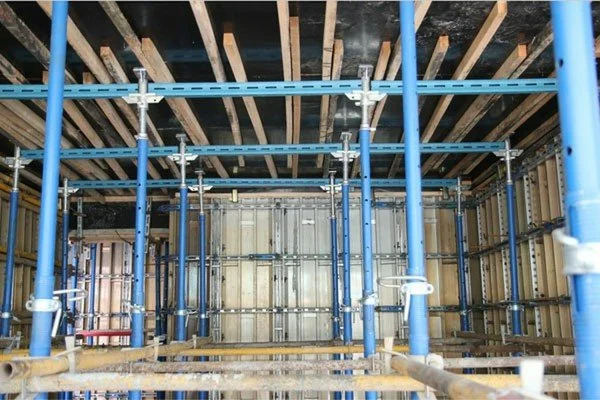
Understanding Lightweight Steel Formwork and Its Safety Benefits
What the Material Actually Does
Steel formwork made from cold-rolled Q235/Q345 steel can handle a lot of horizontal concrete pressure (usually 60–80 kN/m²) while keeping the weight of each panel at or below 22 kg. The balance between weight and strength is not by chance. This is because the plates are only 2.0 mm thick and the frames are 2.5 mm thick. This keeps the rigidity while getting rid of the bulk that makes heavy steel shutters dangerous to handle by hand.
How Weight Reduction Changes On-Site Behavior
Workers don't have to wait for crane lifts as long as panels weigh less than 22 kg. Without any help from machines, they move panels through stairwells, across narrow scaffolding, and into basement excavations. If there are fewer movements of the crane, there will be fewer accidents involving overhead loads. According to OSHA's fatal four categories, this is one of the main reasons why construction workers die. Lighter handling also makes it easier to stay awake during long shifts, which directly lowers the number of accidents that happen late at nite because people are tired.
Structural Stability as a Safety Factor
Blowout risk comes from a panel that deflects in the middle of a pour. These steel pieces have tight-fitting joints that keep the shape of the form while it's under pressure. Frame flatness held within ±2mm tolerance makes sure that panels next to each other fit together correctly. This takes away the guessing that causes workers to adapt, which is how injuries happen on a busy site.
Comparing Lightweight Steel Formwork with Traditional Alternatives on Safety Grounds
Steel vs. Aluminum vs. Plywood: A Weight and Risk Comparison
Heavy steel panels used in traditional formwork can weigh more than 50 kg each, so they must always be moved by two people or with the help of a crane. Aluminum is lighter, but it bends when it hits something and can't be soldered on-site. This means that a broken panel has to be taken off and replaced, which slows down the process.
lightweight steel formwork offers a practical alternative, as it reduces the weight that workers must handle while still providing durable panel support. Plywood splinters, absorbs water, and warps, making surfaces that aren't level that workers have to level while standing on high platforms.
Here's how the three main materials stack up when it comes to important safety factors:
- Handling injury risk: Heavy steel scores highest risk; lightweight steel panels at ≤22kg allow single-worker operation, cutting manual handling incidents significantly.
- Fire resistance: Plywood is combustible and fails site fire codes on many commercial projects; steel panels of any grade are non-combustible, meeting stricter US fire safety requirements.
- Surface condition: Warped or splintered plywood creates slip and trip hazards during stripping; the smooth galvanized surface of steel panels strips cleanly, leaving a tidier work area.
- Repairability: Aluminum cannot be field-welded; a bent lightweight steel panel can be corrected on-site, preventing the rushed improvisation that causes injuries when damaged formwork stays in service too long.
These differences are most important in places with a lot of foot traffic, like urban residential towers, mid-rise commercial buildings, and municipal box culverts. There, panels are moved dozens of times a day, and any inefficiency increases the risk of injury.
Project Scale and Formwork Selection
A modular steel system using standard 1000x300mm and 1500x200mm panels can be used for public buildings and mid-rise structures with floor plans that are used over and over again. This system can be cycled quickly and easily by a small crew. lightweight steel formwork follows the same logic: it relies on manageable, standardized panels that a small crew can handle without heavy lifting equipment. Custom sizing applies this reasoning to uneven city projects, where cutting plywood would otherwise spread debris and sharp edges all over the site.
The Installation Process: How Lightweight Steel Formwork Enhances Site Safety
Fewer Components, Fewer Hazards
The modular design cuts down on the number of parts needed for each pour. When there are fewer parts on the deck, there is less stuff to trip over and less chance that loose items will fall from high places. This also means that workers are exposed to the physical risks of assembly for a shorter time. Quick-lock mechanisms let panels connect and disconnect without hammering or prying, which are two actions that cause a lot of hand and eye injuries in regular formwork work.
PPE Requirements and Training
During all steps of handling, workers should wear gloves that won't cut, boots with steel caps, and hard hats. Back-support belts are suggested rather than required because each panel stays under 22 kg. This makes workers more likely to follow the rules. With a modular system, it takes less time to train new crew members on-site because the link logic is the same across all panel sizes. This cuts down on the time when workers who aren't trained are most at risk.
Measured Safety Outcomes
Less time was lost during the formwork phases on projects that used lightweight modular steel systems compared to sites that used a mix of plywood and heavy-steel assemblies. The cut directly leads to fewer crane lifts, a cleaner deck after stripping, and faster construction, which stops workers from being stuck in awkward positions.
Procurement Considerations: Selecting Lightweight Steel Formwork for Safety and Efficiency
Certifications That Matter to Buyers
Following safety rules starts before the panels get to the site. Shandong Xingrui Building Materials Co., Ltd. is certified in ISO 9001 (quality management), ISO 14001 (environmental management), and ISO 45001 (health and safety at work). ISO 45001 in particular shows that the company is responsible for worker safety, which is a good sign that the design of the product also takes safety into account. When buyers make an inquiry, they should ask for certification documents and check them on their own.
Balancing Cost and Safety ROI
Buying steel pieces up front costs more than buying throwaway plywood. But after more than 40 refill rounds, the cost per pour goes down a lot. A single recordable incident can cost a US contractor tens of thousands of dollars in OSHA fines, medical bills, and schedule delays. Less downtime due to accidents adds even more financial weight to the safety case. Rental companies find that lightweight steel formwork panels still have value after being used dozens of times. This means that they are an asset that can be recovered rather than an item that needs to be thrown away.
Supplier Evaluation and Logistics
Before placing an order, buyers should make sure that the plate thickness (2.0mm) and frame thickness (2.5mm) are correct. If they are not, load ratings and safety margins could be affected. GREEN FORMWORK gives away free samples before a commitment is made. This way, procurement managers and site technicians can compare the actual specifications to the ones that were stated. This directly addresses the common concern about batch inconsistency.
Future Outlook: How Lightweight Steel Formwork Shapes Safer Construction Environments
Tightening Regulations Drive Adoption
US OSHA rules on formwork (29 CFR 1926 Subpart Q) already say that concrete formwork systems must have designed designs. As rules are made more consistent across states, contractors who have already switched to certified, load-rated steel systems will have fewer compliance gaps than those who are still using site-built timber alternatives.
Digital Integration and Monitoring
Suppliers are starting to pair modular steel systems with digital inventory tracking. This lets rental companies keep an eye on the number of cycles per panel and remove units before they cause structural problems. Lifecycle management that is based on data adds a level of proactive safety management that metal and wooden systems can't match.
Competitive Advantage Through Safety Record
A contractor's safety record has a direct effect on their insurance rates, their ability to bid on public jobs, and their ties with subcontractors. More and more, picking certified steel formwork with recorded performance data is a buying decision that has strategic implications beyond the current project.
Conclusion
Lightweight steel formwork lowers the risk of harm by lowering the amount of weight that needs to be moved by hand, getting rid of the need for a crane, and keeping tight dimensions that stop blowouts and surface flaws. With ISO 9001, 14001, and 45001 standards, panels from companies like Shandong Xingrui work the same way after 40 or more reuses. The lifecycle economics are easy to understand for procurement managers who have to balance safety and cost. This system is a good investment for civil buildings, mid-rise construction, and municipal projects because it reduces accidents, keeps sites clean, and can be sold for a profit.
FAQ
Does lightweight steel formwork meet US safety standards?
Steel formwork systems engineered to rated load capacities (typically 60–80 kN/m²) and supplied with ISO 45001 certification align with the intent of OSHA 29 CFR 1926 Subpart Q requirements. Buyers should still confirm that an engineer of record reviews the formwork design for each project, as US regulations require a qualified person to approve shoring and formwork plans.
Can one worker really handle a panel safely?
Yes. Panels weighing ≤22kg fall within NIOSH single-person lift guidelines for repetitive construction tasks when proper technique is used. This makes the system accessible to a wider workforce, including workers who would otherwise be excluded from formwork tasks due to physical limitations.
What certifications should I verify before purchasing?
Confirm ISO 9001 for quality management, ISO 14001 for environmental standards, and ISO 45001 for occupational safety. CE certification is relevant for European-bound shipments. Ask the supplier for current certificate numbers and verify them with the issuing body.
Are custom sizes available without compromising safety ratings?
Custom panels from Shandong Xingrui are engineered to the same plate and frame thickness specifications as standard sizes, maintaining the rated load capacity. Confirm this in writing during the sample verification stage.
How do I verify actual steel thickness before bulk ordering?
Request a free sample and measure plate thickness independently using a calibrated ultrasonic gauge. This step is standard practice for experienced procurement managers and is the most reliable way to confirm that batch specifications match stated parameters.
Request a Quote from GREEN FORMWORK — Lightweight Steel Formwork Supplier
The lightweight steel forms that GREEN FORMWORK sells are certified and made for civil, mid-rise, and city building. With ISO 9001, 14001, and 45001 certifications, free samples, and dedicated expert support, it's easy to check the quality of our products before you place a large order. To get specifications, prices, or a sample shipment right away, email our team at sdxingruiqp@126.com or go to sdxingrui.com.
References
1. Occupational Safety and Health Administration (OSHA). Concrete and Masonry Construction Standard 29 CFR 1926 Subpart Q. U.S. Department of Labor, 2015.
2. American Concrete Institute. ACI 347R-14: Guide to Formwork for Concrete. ACI Committee 347, 2014.
3. National Institute for Occupational Safety and Health (NIOSH). Applications Manual for the Revised NIOSH Lifting Equation. Centers for Disease Control and Prevention, 2021.
4. International Organization for Standardization. ISO 45001:2018 Occupational Health and Safety Management Systems — Requirements. ISO, 2018.
5. Construction Industry Institute. Formwork Safety and Productivity Study — Research Report 281-11. University of Texas at Austin, 2013.
6. European Federation of Foundation Contractors. Temporary Works and Formwork Safety Guidelines. EFFC Technical Report, 2020.
Learn about our latest products and discounts through SMS or email