- English
- French
- German
- Portuguese
- Spanish
- Russian
- Japanese
- Korean
- Arabic
- Greek
- German
- Turkish
- Italian
- Danish
- Romanian
- Indonesian
- Czech
- Afrikaans
- Swedish
- Polish
- Basque
- Catalan
- Esperanto
- Hindi
- Lao
- Albanian
- Amharic
- Armenian
- Azerbaijani
- Belarusian
- Bengali
- Bosnian
- Bulgarian
- Cebuano
- Chichewa
- Corsican
- Croatian
- Dutch
- Estonian
- Filipino
- Finnish
- Frisian
- Galician
- Georgian
- Gujarati
- Haitian
- Hausa
- Hawaiian
- Hebrew
- Hmong
- Hungarian
- Icelandic
- Igbo
- Javanese
- Kannada
- Kazakh
- Khmer
- Kurdish
- Kyrgyz
- Latin
- Latvian
- Lithuanian
- Luxembou..
- Macedonian
- Malagasy
- Malay
- Malayalam
- Maltese
- Maori
- Marathi
- Mongolian
- Burmese
- Nepali
- Norwegian
- Pashto
- Persian
- Punjabi
- Serbian
- Sesotho
- Sinhala
- Slovak
- Slovenian
- Somali
- Samoan
- Scots Gaelic
- Shona
- Sindhi
- Sundanese
- Swahili
- Tajik
- Tamil
- Telugu
- Thai
- Ukrainian
- Urdu
- Uzbek
- Vietnamese
- Welsh
- Xhosa
- Yiddish
- Yoruba
- Zulu
Why Fast Cuplock Scaffolding Improves Speed and Site Safety Standards
Fast cuplock scaffolding has become one of the most widely adopted modular shoring systems across bridge construction, industrial facilities, and large-span formwork projects worldwide. Unlike traditional tube-and-clamp assemblies that rely on individual bolts and manual tightening, this system uses an upper-and-lower cup node design where ledger blades lock automatically into place. The result is a force transfer path so direct that erection speed increases by 3 to 5 times compared to conventional methods—without sacrificing the structural integrity that project engineers and site safety managers demand.
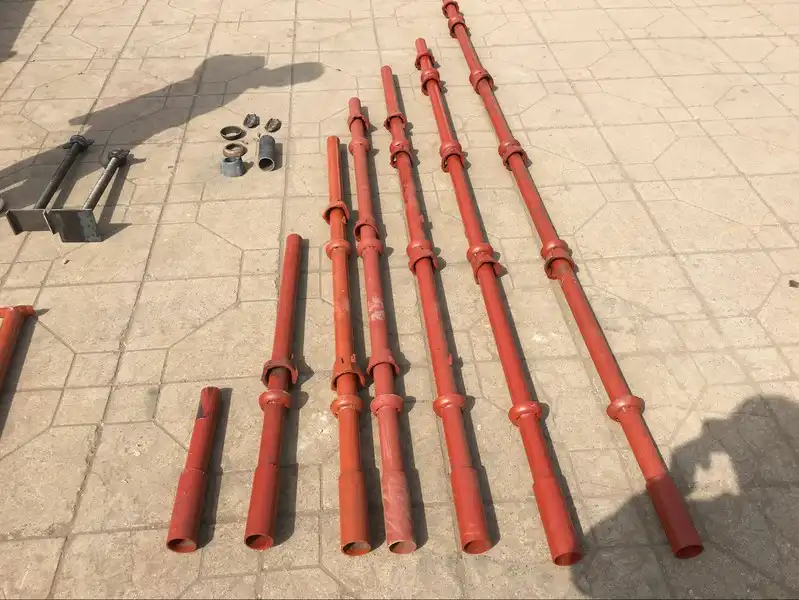
Understanding Fast Cuplock Scaffolding: Design, Functionality, and Safety Features
The idea behind cuplock framing comes from simple engineering: fewer link points mean less chance of failure. For each node to connect up to four horizontal ledgers to a single vertical standard, all it takes is one locking. This makes sure that the load path stays clear and steady.
Core Components and How They Work Together
The system is made up of several parts: vertical standards with bottom cups that stay in place every 0.5 m, top cups that slide and have a spring built in, and horizontal ledgers with blade ends. All four links work at the same time when the top cup falls and the ledger blades are put in. Do not hammer strike. This shape that aligns itself makes sure that every part is within the allowed range of sizes. This helps make sure that the engineering plans' load calculations are right.
Material Quality and Load Performance
Shandong Xingrui Building Materials Co., Ltd. makes cup-lock parts out of Q235 high-strength carbon steel. The tubes are 48.3 mm wide and the walls are 3.2–3.5 mm thick. The surface is treated with hot-dip galvanization at 65–85 microns, which is in line with ASTM A123. This means that each standard will last more than 15 years in seaside or industrial areas. Up to 60 kN can be put on each vertical standard, and towers that are designed to hold loads often reach heights of 50 meters or more.
Compliance with International Safety Standards
These parts are safe for use in North America, Europe, and the Asia-Pacific area because they meet BS EN 12811-1, ANSI/SSFI SC100-5/05, and AS/NZS 1576. ISO 9001, ISO 14001, and ISO 45001 are all used by the factory. All of the materials can be traced back to the raw steel mill certificates and finished batch inspection reports.
How Fast Cuplock Scaffolding Accelerates Construction Speed?
Speed at work isn't just about how fast the people work; it's also about how the system is planned. The number of hours billed per project cycle goes down when the scaffold is easier to set up and take down with fewer steps. On plans based on goals, the critical path is also shortened.
Step-by-Step Erection Workflow
To put it together, you only need to do four things: set the base jacks, put in the vertical standards, slide the horizontal ledgers into the bottom cups, and drop the top cups to lock them in place. Because there are no loose nuts or wedge pins, a two-person crew can finish a bay in less than three minutes. The time it takes to take apart goes backward at the same speed. This is very useful for rental fleets that get used a lot.
Measured Productivity Gains Over Traditional Methods
Our better quick-assembly fast cuplock scaffolding method speeds up building by 40% compared to tube-and-clamp scaffolds. Labor costs can drop by up to 35% per building built because tools need to be moved less often per link point. For EPC workers who are in charge of more than one bridge or tunnel pour at the same time, this efficiency directly means that they can start pouring concrete earlier and wait less time for cranes to come.
Adaptability Across Project Types
Because the base jacks and ledger lengths can be changed, the flexible grid can work on sites with odd forms. This means the system can be used for industrial maintenance platforms in crowded petrochemical plants, bridge pier falsework over sloped riverbeds, and tunnel invert shoring on curved lines. Plus, there is no need for custom steel frame manufacturing lead times that are different for each project.
Comparing Fast Cuplock Scaffolding to Traditional and Alternative Scaffolding Systems
Procurement managers often evaluate three systems side by side: tube-and-clamp, ringlock, and cup-lock. Each has a different cost and performance profile depending on project duration, load requirements, and workforce skill level.
Here is how the three systems compare across the metrics that matter most to site engineers and equipment managers:
- Tube-and-Clamp: Highly flexible geometry but slow to erect. Every connection needs a separate coupler tightened by wrench. On large shoring grids, coupler loss rates of 5–10% per project cycle are common, driving up replacement costs. Load path consistency depends entirely on manual tightening torque, which varies by worker.
- Ringlock Scaffolding: Uses a rosette node point with wedge pins struck by hammer. Assembly is faster than tube-and-clamp but still requires hammer work per node. Ringlock excels in multi-directional facade access but carries higher per-component cost than cup-lock systems.
- Fast Cuplock Scaffolding: The spring-loaded self-locking node eliminates hammer dependency entirely. With no loose wedge pins, site loss rates drop sharply. The simpler load path makes structural verification calculations more straightforward, which benefits projects requiring frequent design revisions.
These differences mean that for high-volume shoring, tunnel support, and standardized industrial structures, the cup-lock system consistently delivers a lower total cost per cycle across the project lifespan.
Procurement Insights: Sourcing Reliable Fast Cuplock Scaffolding
Sourcing the right fast cuplock scaffolding supplier involves more than comparing unit prices. Delivery reliability, certification documentation, and customization capability all affect whether a shipment performs on arrival or triggers costly rework.
What to Verify Before Placing an Order?
Confirm that the manufacturer provides mill test certificates (MTC) for incoming steel, ultrasonic or magnetic particle weld inspection records, and batch-level dimensional tolerance reports. Galvanization depth should be independently verifiable against ASTM A123. For projects under European regulatory oversight, request a Declaration of Performance (DoP) aligned with EN 12811-1 before signing a purchase agreement.
Custom Specifications and Sample Availability
Shandong Xingrui supports made-to-order production based on customer-provided drawings, including non-standard ledger lengths, modified cup spacing, and OEM labeling under NDA agreements. Sample turnaround from drawing submission runs 7–14 days, allowing engineering teams to conduct physical fit checks before committing to full-volume orders. This is particularly valuable for EPC contractors introducing a new scaffold system across a multi-site program.
Lead Time and Logistics Planning
With 12 welding robots and 6 automatic welding lines running across a 79,800 m² facility, Xingrui maintains production capacity for large-scale global orders. Located in Rizhao, Shandong Province—a city with its own seaport, airport, and high-speed rail hub—the facility ships to 100+ countries. Standard production lead time for bulk orders runs 15–30 days, and the port proximity at Rizhao reduces inland freight variability for container loading.
Maximizing Site Safety and Efficiency: Best Practices for Cup-Lock Scaffold Systems
Even the best-designed fast cuplock scaffolding system needs to be managed in a planned way for it to work at its best. You can keep the value of assets like parts that can be used again and again for many project cycles by following these steps.
Pre-Use Inspection Protocols
Each time you get an erection, check the top cups for seizure or worn-out springs. Also, look for damage on the ends of the ledger blades from earlier loads. Last, look for cracks in the weld lines around the bottom cups. Parts that are clearly broken should be put in a separate area and sent back to be looked at again before they can be used again. If something goes wrong with a building, it's easy to find the inspection records that were kept by batch number.
Workforce Training and Compliance Audits
Make sure the crew knows how to connect the top cup correctly and how much weight they can carry with this setup. Base jacks should stay within their rated extension, brace intervals should match the engineer's plan, and connection design should not have been changed in the field. Periodic compliance checks, which should ideally be linked to project milestone reviews, should make sure of these things.
Routine Maintenance for Long Service Life
The cup node channels need to be cleaned every so often so that dirt doesn't build up and stop the spring from engaging. Parts that have been hot-dip galvanized can be kept outside for a long time. Putting zinc-rich paint over worn-out spots makes the protection against corrosion last longer between major repairs. It will work the same way for hundreds of erection cycles if you take care of a Xingrui cup-lock system the right way. This will keep the cost of each project low.
Conclusion
You don't have to choose between speed and safety when picking fast cuplock scaffolding. The right way gets you both. A lot less time is needed to put up a structure with the cup-lock mechanism. It also keeps loose hardware from falling off and gives structural engineers a sure way for loads to move. It is possible to get the project approved by following the rules in BS EN 12811-1 and ANSI/SSFI SC100-5/05 and building with Q235 steel. The steel is then hot-dip galvanized. This method is a good, approved, and inexpensive way to support buildings for EPC contractors, rental companies, and equipment managers working on projects in Africa, the Middle East, or any other infrastructure market with a lot of growth.
FAQ
Q1: How does the self-locking cup mechanism differ from a wedge-pin ringlock node?
A: All four ledger lines are engaged at once by a spring-loaded moving cup in the cup-lock, so you don't have to hit it with a hammer. A ringlock wedge pin needs a hammer blow for each joining point. Because of this difference, each node no longer needs a separate manual step. When you have a big shoring grid, this saves a lot of time.
Q2: What load capacity does a single standard carry?
A: Each vertical standard can hold up to 60 kN of axial load when it is set up in the standard way. With the right engineering review, the largest tower can be more than 50 meters high. The structural modeling package tells you how far the base jack can be extended and how often it needs to be braced.
Q3: Is the system compatible with components from other manufacturers?
A: The standard cup spacing of 0.5 m is used by many manufacturers, but the blade sizes on the ends of ledgers are not all the same. It is suggested that you use parts from the same batch and maker to make sure that the sizes and certified load rates stay the same.
Q4: Can specifications be customized for a specific project?
A: Xingrui can take orders based on customer models that have different ledger lengths, cup spacing, and OEM branding as long as the customer signs an agreement to keep the information secret. It takes 7–14 days to make a sample after the drawing is accepted.
Q5: What certifications should I request from a cup-lock scaffolding manufacturer?
A: To make sure the quality is good, look for certificates like ISO 9001 for quality management, CE marking with a Declaration of Performance for EN 12811-1, mill test certificates for the steel grade that was used, and batch galvanization inspection records that show the coating thickness meets ASTM A123.
Get a Quote from GREEN FORMWORK — Fast Cuplock Scaffolding Supplier with Global Delivery
GREEN FORMWORK can answer all of your questions and send you samples within 7–14 days. Their production is ISO 9001-certified, and they offer expert help. There is full paperwork that shows where the steel came from and how it was used that comes with our fast cuplock scaffolding for sale. It is made of Q235 steel. It can be made to normal or unique requirements. Send an email to sdxingruiqp@126.com to get more information or start your RFQ right away.
References
1. European Committee for Standardization. BS EN 12811-1: Temporary Works Equipment — Scaffolds: Performance Requirements and General Design. BSI Standards, 2003.
2. Scaffold & Access Industry Association. ANSI/SSFI SC100-5/05: Scaffolding — Safety Requirements. SAIA, 2005.
3. Standards Australia. AS/NZS 1576.1: Scaffolding — General Requirements. Standards Australia, 2010.
4. American Galvanizers Association. ASTM A123/A123M: Standard Specification for Zinc (Hot-Dip Galvanized) Coatings on Iron and Steel Products. AGA Technical Report, 2017.
5. International Organization for Standardization. ISO 9001:2015 Quality Management Systems — Requirements. ISO, 2015.
6. Peng, J. L., Pan, A. D., & Chen, W. F. "Approximate Analysis Method for Modular Tubular Falsework." Journal of Structural Engineering, ASCE, 2001.
Learn about our latest products and discounts through SMS or email