- English
- French
- German
- Portuguese
- Spanish
- Russian
- Japanese
- Korean
- Arabic
- Greek
- German
- Turkish
- Italian
- Danish
- Romanian
- Indonesian
- Czech
- Afrikaans
- Swedish
- Polish
- Basque
- Catalan
- Esperanto
- Hindi
- Lao
- Albanian
- Amharic
- Armenian
- Azerbaijani
- Belarusian
- Bengali
- Bosnian
- Bulgarian
- Cebuano
- Chichewa
- Corsican
- Croatian
- Dutch
- Estonian
- Filipino
- Finnish
- Frisian
- Galician
- Georgian
- Gujarati
- Haitian
- Hausa
- Hawaiian
- Hebrew
- Hmong
- Hungarian
- Icelandic
- Igbo
- Javanese
- Kannada
- Kazakh
- Khmer
- Kurdish
- Kyrgyz
- Latin
- Latvian
- Lithuanian
- Luxembou..
- Macedonian
- Malagasy
- Malay
- Malayalam
- Maltese
- Maori
- Marathi
- Mongolian
- Burmese
- Nepali
- Norwegian
- Pashto
- Persian
- Punjabi
- Serbian
- Sesotho
- Sinhala
- Slovak
- Slovenian
- Somali
- Samoan
- Scots Gaelic
- Shona
- Sindhi
- Sundanese
- Swahili
- Tajik
- Tamil
- Telugu
- Thai
- Ukrainian
- Urdu
- Uzbek
- Vietnamese
- Welsh
- Xhosa
- Yiddish
- Yoruba
- Zulu
Comparison between steel and aluminum formwork systems
When contractors and procurement managers evaluate formwork options, the choice between steel and aluminum systems directly affects labor costs, project speed, and long-term return on investment. Lightweight steel formwork has emerged as a practical middle ground—it carries the structural integrity of traditional steel while reducing the per-panel weight to levels that a single worker can manage. This article breaks down how steel and aluminum systems perform across the metrics that matter most to purchasing teams in civil construction, mid-rise residential, and municipal work.
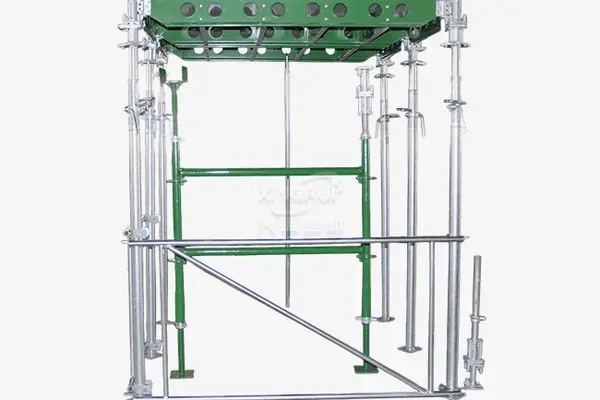
Understanding Steel and Aluminum Formwork Systems
What Is Steel Formwork?
Cold-rolled or hot-rolled steel panels are used to make steel formwork. Welded frames strengthen the panels. Traditional heavy steel systems can handle very high lateral concrete pressure, but they need to be put in place with the help of a crane. Newer thin-wall steel panels have plate thicknesses of about 2 mm and frame thicknesses of 2.5 mm. This makes the panels lighter, at ≦22 kg each, so they can be moved by hand. These methods can be used for shear walls, columns, and slab ends in mid-rise and public buildings.
What Is Aluminum Formwork?
Aluminum formwork is made up of wall, slab, and column pieces that are made from extruded aluminum alloy shapes, which are usually 6061-T6 grade. The main thing that makes it appealing is that the panels are light (18–25 kg), which speeds up the floor-cycle times in high-rise residential construction. But because aluminum needs special extrusion tools, unique sizes are more expensive to make than steel versions of the same thing.
Lightweight Steel as a Hybrid Option
A lightweight thin steel formwork system made by Shandong Xingrui Building Materials Co., Ltd. falls in the middle of these two groups. Each panel is made of Q235/Q345 steel, is hot-dip galvanized, and has a tight-fit joint design. It has the corrosion resistance and repairability of steel at a weight that means most urban sites don't need cranes. Standard panel sizes of 1000x300 mm and 1500x200 mm are enough for most civil building layouts, but custom sizes can be made for structures that aren't round.
Performance Comparison: Steel vs Aluminum Formwork
The differences in performance between these two materials have effects on safety margins, schedules, and crew needs that purchasing managers need to figure out before committing to a system.
Load Capacity and Structural Strength
Up to 80 kN/m² of lateral concrete pressure can be supported by steel panels made from Q235 or Q345 grade material. This is much more than what is needed for most mid-rise pours. lightweight steel formwork is especially suitable here, since aluminum systems work well for most domestic uses, but they bend more when poured under high pressure and are more likely to become permanently deformed after impact. Because steel can be welded on-site, it can be used to strengthen utility pipes or box culverts where the pressure of the concrete isn't even. Aluminum, on the other hand, can't be field-welded without special tools.
Durability and Maintenance
If you hot-dip galvanize steel formwork, it will stay in good shape for 5 to 10 years under normal site conditions. Field fixes are easy: a broken steel panel can be welded back together and used again, but an aluminum panel that has been bent usually needs to be reshaped or replaced at the plant. The Xingrui lightweight method can be used more than 40 times per panel. In controlled high-rise settings, aluminum systems can last longer, but their resell value drops sharply after surface oxidation or corner damage.
Installation Efficiency and Labor Requirements
Both systems can be used by one person at standard panel sizes. The main difference is that one can be fixed. Steel panels with small dents or edge damage can be used again after being fixed at the site level. Frame smoothness within ±2 mm is very important, and it's harder to get aluminum back to that level without factory tools. This means that aluminum panels with twisted faces hurt the finish on the concrete. For people who run rental fleets, this ability to fix things directly protects the value of their remaining assets.
Cost and Procurement Considerations
Buying choices aren't just based on unit price. Cost over the lifecycle, wait time, and the dependability of the provider all affect the total cost of ownership.
Initial Investment vs. Lifecycle Cost
When it comes to price per square meter, aluminum formwork is usually 30–50% more expensive than steel systems of the same type. This depends on the alloy grade and the complexity of the panel. But because aluminum is lighter, crane hours can be cut on high-rise sites where each floor cycle is tightly scheduled.
Lightweight steel formwork has a lower cost per use over its 40+ reuse cycles, making it a better choice for small to medium-sized contractors working on civil buildings or municipal projects that don't need tight floor-cycle pressure. Steel has a higher scrap value and can be fixed on the job site, which helps rental companies make more money over a longer period of time.
Supplier Evaluation and Lead Times
When purchasing either system, buying managers should check that it has ISO 9001 certification for quality management, ISO 14001 certification for environmental compliance, and ISO 45001 certification for safety at work. Shandong Xingrui has all three licenses and has factories covering 79,800 square meters in Rizhao, Shandong, which is a port city with easy access for moving containers. Standard panel sizes are usually kept in stock, but custom-engineered panels need about 4–6 weeks to be made and checked for quality.
Logistics and Sample Policy
Both materials are likely to get surface damage during long-distance shipping. If you stack aluminum panels wrong, the edges can warp, and if you mess up the packing for steel panels, the surface can rust. Before committing to bulk quantities, buyers who are placing their first orders should ask for physical samples. Xingrui's sample supply policy lets procurement teams check the quality of the surface coating, joint tolerance, and plate thickness before finalizing orders. This is an important step that lowers concerns about batch inconsistency that are common when working with a new supplier.
Environmental Impact and Sustainability
Environmental performance is becoming a factor in the hiring process, along with price and quality. This is especially true for contractors working on civil projects that are paid for by the government.
Recyclability of Steel and Aluminum
Both of these products can be recycled when they are no longer useful. The market value of steel scrap stays stable, and the recycling process for cold-rolled steel panels is well-established in metal recovery supply chains that are already in place. Aluminum can also be recycled well, as secondary smelting uses a lot less energy than original output. Both materials support circular buying models, which means that used panels go back into the supply chain instead of going to a landfill. This is good for fleet owners who are concerned about the environment.
Reducing Waste Through Reuse Cycles
Any reusable formwork system is much better for the environment than disposable plywood. Each plywood panel is used for an average of 4–8 pours before it needs to be thrown away. This creates a lot of building trash. Five to ten plywood panels can be replaced by a single lightweight steel formwork panel that can handle forty or more pours. The ISO 14001 certification from Xingrui shows that its production processes follow international standards for environmental management. This helps meet the requirements for green procurement documentation for public sector projects.
Lightweight Systems and Site Efficiency
Cutting down on the weight of panels also lowers the amount of fuel used for site transfer and the physical strain on workers. Both of these things improve health at work and are in line with ISO 45001 safety management principles.
Choosing the Right Formwork System for Your Project
When to Choose Lightweight Steel
For civil buildings, mid-rise apartment buildings, small city works, and any other project where field repairability and leftover value are important, lightweight steel formwork is the better option. Because it can be welded, doesn't rust, and costs less per panel, it's perfect for rental companies building fleets for multiple projects and regional contractors handling projects of different sizes without set crane access.
When Aluminum May Be More Appropriate
When floor-cycle speed is the main schedule issue and there is already enough crane capacity on-site, aluminum formwork works best for high-rise residential projects. Its extrusion-based production also ensures that large orders of panels are all the same size, which is helpful for projects with repetitive floor plans.
How to Assess Suppliers
Ask for written certifications (ISO 9001, ISO 14001, ISO 45001), samples, and references from similar projects that have already been finished. Check the real thickness of the plates against the standard sheets. This is a typical way for lower-tier suppliers to have different levels of quality. Get written confirmation of lead times, especially for custom panel sizes that need special tools.
Conclusion
There are real benefits to both steel and aluminum formwork. The best choice relies on the size of the job, the budget, and the working conditions. Lightweight steel formwork is the best choice for most small to medium-sized contractors working in civil building and municipal work because it is strong, easy to fix, can be used again, and doesn't cost a lot. Aluminum has a place in high-rise, high-cycle settings where speed and weight are the most important factors in planning. Before you issue a purchase order, it's important to understand these differences. This will save you money, cut down on site delays, and create a more durable procurement strategy.
FAQ
Is steel or aluminum formwork better for civil building projects?
In general, steel formwork is a better deal for low-rise and medium-rise buildings. It can withstand more impacts, be fixed in the field by welding, and cost less per panel, which means it costs less per use over a 40+ cycle service life. Aluminum works better in high-rise settings where quick floor-cycle scheduling is the main issue.
How does panel weight affect site labor costs?
One worker can move, place, and attach panels that weigh ≤22 kg without any mechanical help. This directly cuts down on the number of hours needed to rent a crane and the size of the crew needed to operate the formwork. This saves money on projects with multiple floors.
Can lightweight steel formwork be rented out?
Yes. Steel is a favorite asset class for rental fleet owners because it has a high surplus value, can be fixed in the field, and always fits correctly. A panel that can handle 40+ pours and still has value as scrap metal makes for reliable fleet economics over multiple rental cycles.
What certifications should I look for in a formwork supplier?
The three main standards that show a provider controls production and quality assurance are ISO 9001 (quality management), ISO 14001 (environmental management), and ISO 45001 (occupational health and safety).
Are custom panel sizes available?
Most of the time, standard sizes are kept in stock. It takes about 4–6 weeks to make precision panels for irregular structure plans, check their dimensions, and test their load before they can be sent out.
Get a Direct Quote from GREEN FORMWORK — Lightweight Steel Formwork Supplier
GREEN FORMWORK sells lightweight steel formwork that is certified by ISO 9001, ISO 14001, and ISO 45001, and each panel weighs less than 22 kg. It can be used more than 40 times, and it can be made to fit any size. Shandong Xingrui Building Materials Co., Ltd. sends to more than 100 countries from its port in Rizhao, and samples can be sent to anyone who asks. You can email our technical team at sdxingruiqp@126.com or go to sdxingrui.com to get details, samples, or a quote that is tailored to your project.
References
1. Concrete Society. Formwork: A Guide to Good Practice. 3rd ed. The Concrete Society, 2012.
2. Hurd, M. K. Formwork for Concrete. 8th ed. American Concrete Institute, 2005.
3. International Organization for Standardization. ISO 9001:2015 Quality Management Systems — Requirements. ISO, 2015.
4. Peurifoy, R. L., and Oberlender, G. D. Formwork for Concrete Structures. 4th ed. McGraw-Hill, 2011.
5. European Committee for Standardization. EN 12812: Falsework — Performance Requirements and General Design. CEN, 2008.
6. Building Research Establishment. Environmental Profiles of Construction Materials, Products and Elements. BRE Press, 2019.
Learn about our latest products and discounts through SMS or email