- English
- French
- German
- Portuguese
- Spanish
- Russian
- Japanese
- Korean
- Arabic
- Greek
- German
- Turkish
- Italian
- Danish
- Romanian
- Indonesian
- Czech
- Afrikaans
- Swedish
- Polish
- Basque
- Catalan
- Esperanto
- Hindi
- Lao
- Albanian
- Amharic
- Armenian
- Azerbaijani
- Belarusian
- Bengali
- Bosnian
- Bulgarian
- Cebuano
- Chichewa
- Corsican
- Croatian
- Dutch
- Estonian
- Filipino
- Finnish
- Frisian
- Galician
- Georgian
- Gujarati
- Haitian
- Hausa
- Hawaiian
- Hebrew
- Hmong
- Hungarian
- Icelandic
- Igbo
- Javanese
- Kannada
- Kazakh
- Khmer
- Kurdish
- Kyrgyz
- Latin
- Latvian
- Lithuanian
- Luxembou..
- Macedonian
- Malagasy
- Malay
- Malayalam
- Maltese
- Maori
- Marathi
- Mongolian
- Burmese
- Nepali
- Norwegian
- Pashto
- Persian
- Punjabi
- Serbian
- Sesotho
- Sinhala
- Slovak
- Slovenian
- Somali
- Samoan
- Scots Gaelic
- Shona
- Sindhi
- Sundanese
- Swahili
- Tajik
- Tamil
- Telugu
- Thai
- Ukrainian
- Urdu
- Uzbek
- Vietnamese
- Welsh
- Xhosa
- Yiddish
- Yoruba
- Zulu
What Load Capacity Does Crab 60series Scaffolding Support Safely Now?
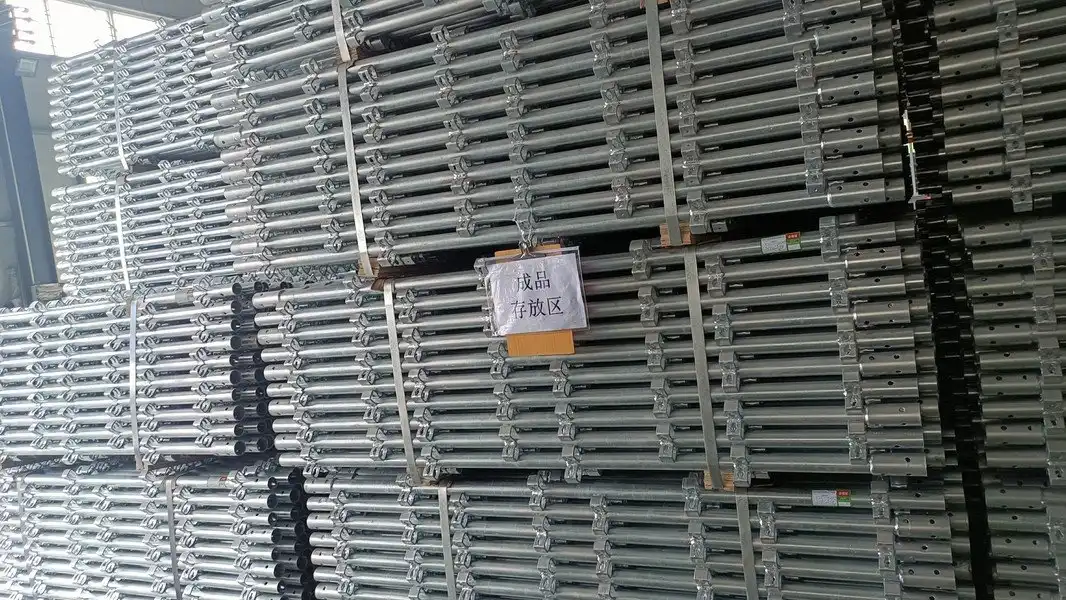
The crab 60series scaffolding system safely supports a vertical load capacity of 70–80 kN per leg (approximately 7–8 metric tons per standard), depending on ledger spacing and configuration. Manufactured from Q235 premium steel with a 60.3mm outer diameter and 3.2mm wall thickness, this heavy-duty modular shoring system delivers measurably greater structural performance than conventional 48.3mm ringlock systems. With an eight-hole rosette design, 1.5m step distance, and hot-dip galvanized surface treatment, it maintains that rated capacity reliably across high-rise, large-span, and industrial construction environments.
Introduction
If you manage procurement or engineering for mid-to-large construction projects, you already know that choosing the wrong scaffolding system costs far more than the price difference between two quotes. A system that underperforms its rated load capacity can halt a project, void insurance, or—most seriously—cause a site incident.
This article breaks down exactly what the 60-series heavy-duty crab-style scaffolding supports, how its technical specifications translate into real-world performance, and what to check before you commit to a purchase. Whether you're sourcing for an EPC contract, a rental fleet, or a large-span industrial facility, the data here will help you make a defensible, specification-backed decision.
Understanding Load Capacity in Crab 60series Scaffolding
Load capacity is not a single number. It is the product of material grade, tube geometry, connection design, and assembly quality working together under three simultaneous load types.
Dead Load: The Structure Itself
Dead load refers to the self-weight of the scaffolding assembly—uprights, ledgers, rosettes, base jacks, and platform boards. Because the 60-series system uses Q235 premium steel with a 60.3mm outer diameter, the structural mass per component is higher than lighter 48mm systems, but that added mass directly contributes to the section modulus and buckling resistance that makes high-clearance shoring possible.
Live Load: Workers, Equipment, and Materials
Live loads include personnel, hand tools, concrete buckets, and any temporary equipment placed on the platform. Construction standards such as EN 12811-1 and AS/NZS 1576 require scaffolding to be designed with a defined service load class, and the 60-series platform meets the upper service load classes appropriate for heavy formwork and industrial maintenance work.
Environmental Load: Wind and Seismic Effects
Wind pressure and seismic acceleration apply lateral force across the full height of the scaffold tower. The eight-hole rosette design of this system allows diagonal bracing to be set at precise angular intervals, distributing lateral forces efficiently through the frame rather than concentrating stress at individual nodes.
Technical Specifications of Crab 60series Scaffolding Load Capacity
The table below shows the verified engineering parameters for crab 60series scaffolding from Shandong Xingrui Building Materials Co., Ltd., a company that has been making and exporting scaffolding systems to more than 100 countries since 2007.
| Parameter | Specification |
|---|---|
| Upright Outer Diameter | 60.3 mm |
| Wall Thickness | 3.2 mm |
| Material Grade | Q235 Premium Steel |
| Vertical Load Capacity | 70–80 kN per leg |
| Rosette Design | Eight-hole disc |
| Step Distance | 1.5 m |
| Standard Span | 1.2 m |
| Surface Treatment | Hot-Dip Galvanized |
| Galvanization Coating | 60–80 microns |
| Service Life | 20+ years |
How Tube Geometry Affects Load Rating
The moment of inertia in a tube with an outer diameter of 60.3 mm and a wall thickness of 3.2 mm is much higher than in a tube with an outer diameter of 48.3 mm and a wall thickness of 3.2 mm or less. This geometric advantage directly raises the Euler buckling load. The Euler buckling load is the theoretical point at which axial compression causes a thin column to break. In real life, this system's uprights can hold between 6 and 8 metric tons, based on how far apart the ledger bays are.
Wedge-Lock Connection and Structural Rigidity
The wedge-lock device does more than just join things; it also helps keep things from falling off. When there is more axial load or vibration at the site, the wedge moves deeper into the rosette slot because of gravity. This self-tightening behavior makes the joints stiffer without any help from a person. This makes the system perfect for cast-in-place concrete applications where the pressure on the formwork changes during pour cycles.
Certification and Traceability
The Shandong Xingrui Building Materials Co., Ltd. has ISO 9001, ISO 14001, and ISO 45001 certificates. All production batches are checked for quality at every stage, from the raw materials that are brought in to the galvanization and checks for measurement tolerances. Documentation at the batch level helps with third-party inspection audits and CE compliance requirements, which are things that EPC contractors and international clients often need before they approve a supplier.
Comparison of Crab 60series Load Capacity with Other Scaffolding Systems
Procurement decisions become clearer when load data sits side by side with alternatives.
Here is how the 60-series heavy-duty crab-style system compares against the two most common modular alternatives in mid-to-large project specifications:
- Standard Ringlock (48.3mm): Typical vertical load capacity falls between 30–50 kN per standard, depending on wall thickness and steel grade. Suitable for access scaffolding and moderate formwork, but insufficient for ultra-high shoring towers or heavy bridge deck applications where the 60-series design is required.
- Cuplock Scaffolding: Cuplock systems offer straightforward four-way connections and are widely available, but the fixed cup geometry limits angular bracing options. Under equivalent ledger spacings, most cuplock configurations rate below 60 kN per leg, and the connection relies on a hammer-tightened top cup rather than a gravity-seated wedge.
- Crab 60series Scaffolding: The 70–80 kN per leg rating, combined with eight-direction rosette connections and a self-tightening wedge, makes this the appropriate choice for viaduct shoring, power plant maintenance platforms, and large-span stadium roof support structures.
These performance differences translate directly into fewer required scaffold lifts for a given height, smaller footprint grids for equivalent load coverage, and reduced labor hours per square meter of formed deck. For project managers running tight milestone schedules, those efficiencies matter as much as the load number itself.
Installation and Maintenance Best Practices to Ensure Safe Load Support
The people who put together even the best scaffolding system are only as good as the tools they use. These steps protect the load rating from the time of installation until it is taken out of service.
Pre-Installation Checklist
Before putting up any tower, check each upright for straightened deformation, look for surface cracks in the rosette welds, and make sure the base jack extensions don't go beyond what the manufacturer says is safe. When you go beyond the base jack extension, the safe load drops below the rating value and the effective bending length shortens.
Assembly Sequence and Connection Torque
Base jacks should be put down on level, firm ground or the right kind of mudsills. Within a 1:200 range, place the uprights vertically. Fully insert the ledger wedges into the rosette holes before putting them in place. The self-tightening design takes care of tightness caused by load, but if the joint isn't properly seated at first, tiny movements can happen that cause the joint to become loose over time.
Inspection Intervals and Maintenance
Every 10 lift-and-lower cycles, you should do a full visual and dimensional inspection. Look for bare spots in the galvanization that could mean it was damaged by impact. Any pole that permanently bends to the side more than L/500 of its length should be replaced. The 60–80 micron hot-dip galvanized coating protects against corrosion for more than 20 years in normal conditions. However, surfaces that are near water or chemicals should be checked more often.
Procurement Considerations for Purchasing Crab 60series Scaffolding
Buying scaffolding for a big project is more than just buying a product. It's also a decision about the supply chain. The total cost of a job is based on more than just the unit price.
Shandong Xingrui Building Materials Co., Ltd. offers custom sizes and cut-to-drawing manufacturing for crab 60series scaffolding, which is useful when project requirements call for bay widths or height increases that aren't standard. The factory covers 79,800 square meters and has 12 robotic welding lines and 6 automatic welding lines. This lets the company handle big orders without falling behind schedules during busy building times.
Before you sign a purchase deal for heavy-duty modular scaffolding, you should make sure of the following things with any supplier:
- Certification documentation: Request ISO 9001 certificates, CE Declaration of Performance, and batch-specific material test reports. These documents are frequently required by project owners and insurance underwriters.
- Customization capability: Confirm whether the supplier can cut, fabricate, and mark components to your project drawings within a 7–14 day sample turnaround.
- Reusability and lifecycle cost: The hot-dip galvanized finish and Q235 steel composition give this system a documented service life exceeding 20 years, which reduces total cost across multiple project cycles compared to lower-grade alternatives.
- Logistics and port access: Shandong Xingrui ships from Rizhao Port, a dedicated seaport city with direct container routes, which reduces inland transit time and simplifies export documentation.
These factors together determine how much it really costs to buy scaffolding. Making sure you check them before placing a trial order will keep you from having any expensive surprises during the project.
Conclusion
Shandong Xingrui Building Materials Co., Ltd.'s crab 60series scaffolding system has a verified vertical load rating of 70–80 kN per upright. It is made of Q235 steel, has an eight-hole rosette connection design, and is fully certified by both ISO and CE. It always does better than standard 48.3mm modular systems when it comes to load capacity, connection rigidity, and resistance to corrosion. This system is a technically documented, code-compatible, and cost-effective solution for procurement teams, engineers, and project managers working on heavy industrial, high-rise, or large-span projects. You can get samples and technical help directly from the manufacturer.
FAQ
Q1: What is the maximum safe load per upright on the 60-series system?
A: Each upright can safely hold a vertical load of 70–80 kN, which is about 7–8 metric tons. The exact number depends on the distance between the ledger bays. Less space between horizontal ledgers makes the effective load per standard higher by cutting down on the length of the column that isn't supported.
Q2: How does this system compare to standard 48.3mm ringlock scaffolding for formwork shoring?
A: The outer diameter of 60.3 mm makes the cross-sectional moment of inertia bigger, which makes it harder for the tube to buckle when it is compressed along its length. The 60-series offers a much larger safety cushion than most 48mm systems for ultrahigh shoring towers over 8 meters tall or situations with spread-out concrete pour loads.
Q3: What certifications does the manufacturer hold?
A: The Shandong Xingrui Building Materials Co., Ltd. has got ISO 9001 for Quality Management, ISO 14001 for Environmental Management, and ISO 45001 for Occupational Health and Safety. The products are also CE-certified, and third-party auditors can see batch-level quality documents.
Q4: Is custom sizing available?
A: Yes. The company can make things to order based on models and examples provided by the customer. Samples are usually ready in 7–14 days, and the factory can make cut-to-length uprights, non-standard bay layouts, and OEM labels.
Q5: What is the expected service life in coastal or humid environments?
A: The hot-dip galvanized covering at 60–80 microns protects against rust for more than 20 years in normal weather. In areas with a lot of salt or chemicals that are harsh, it is best to check the surface every so often after each project cycle to see if there is any damage to the coating that needs to be fixed.
Get Your Load Capacity Specifications from GREEN FORMWORK Today
GREEN FORMWORK gives you exactly what your project needs: a certified manufacturer of the crab 60series scaffolding with the production capacity, documentation, and customization help to meet tight delivery dates. More than 100 countries buy from Shandong Xingrui Building Materials Co., Ltd. They offer samples, technical drawings, and full certification packages. You can get a price and start your sample order by emailing sdxingruiqp@126.com.
References
1. European Committee for Standardization. EN 12811-1: Temporary Works Equipment — Scaffolds — Performance Requirements and General Design. CEN, 2003.
2. Standards Australia / Standards New Zealand. AS/NZS 1576.1: Scaffolding — General Requirements. SAI Global, 2010.
3. International Organization for Standardization. ISO 9001:2015 Quality Management Systems — Requirements. ISO, 2015.
4. British Standards Institution. BS EN 12810-1: Facade Scaffolding Made of Prefabricated Components — Part 1: Products Specifications. BSI, 2003.
5. Occupational Safety and Health Administration. OSHA 1926 Subpart Q — Concrete and Masonry Construction. U.S. Department of Labor, 2019.
6. Chandrangsu, T., and Rasmussen, K. J. R. "Investigation of Geometric Imperfections and Joint Stiffness of Support Scaffold Systems." Journal of Constructional Steel Research, Vol. 67, Issue 3, Elsevier, 2011.
Learn about our latest products and discounts through SMS or email