- English
- French
- German
- Portuguese
- Spanish
- Russian
- Japanese
- Korean
- Arabic
- Greek
- German
- Turkish
- Italian
- Danish
- Romanian
- Indonesian
- Czech
- Afrikaans
- Swedish
- Polish
- Basque
- Catalan
- Esperanto
- Hindi
- Lao
- Albanian
- Amharic
- Armenian
- Azerbaijani
- Belarusian
- Bengali
- Bosnian
- Bulgarian
- Cebuano
- Chichewa
- Corsican
- Croatian
- Dutch
- Estonian
- Filipino
- Finnish
- Frisian
- Galician
- Georgian
- Gujarati
- Haitian
- Hausa
- Hawaiian
- Hebrew
- Hmong
- Hungarian
- Icelandic
- Igbo
- Javanese
- Kannada
- Kazakh
- Khmer
- Kurdish
- Kyrgyz
- Latin
- Latvian
- Lithuanian
- Luxembou..
- Macedonian
- Malagasy
- Malay
- Malayalam
- Maltese
- Maori
- Marathi
- Mongolian
- Burmese
- Nepali
- Norwegian
- Pashto
- Persian
- Punjabi
- Serbian
- Sesotho
- Sinhala
- Slovak
- Slovenian
- Somali
- Samoan
- Scots Gaelic
- Shona
- Sindhi
- Sundanese
- Swahili
- Tajik
- Tamil
- Telugu
- Thai
- Ukrainian
- Urdu
- Uzbek
- Vietnamese
- Welsh
- Xhosa
- Yiddish
- Yoruba
- Zulu
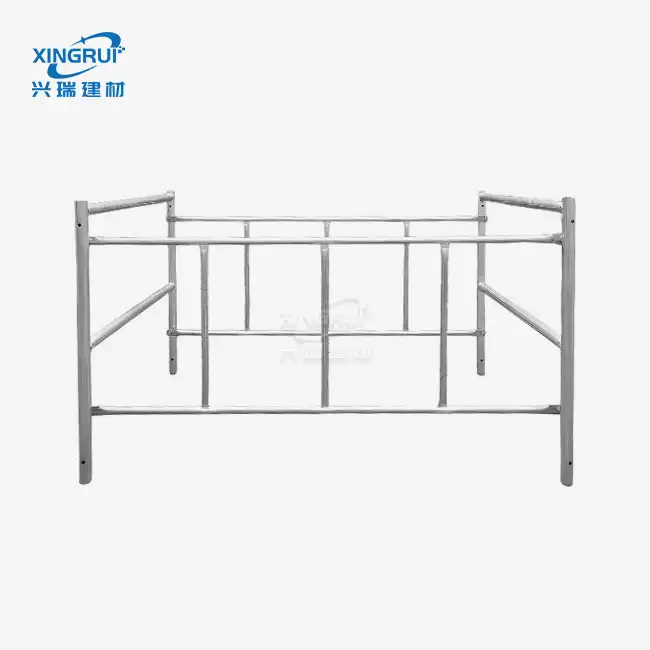
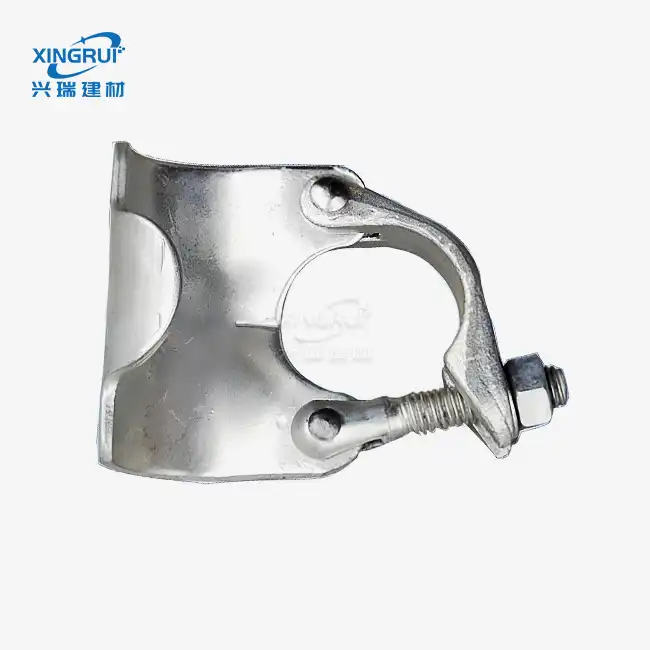
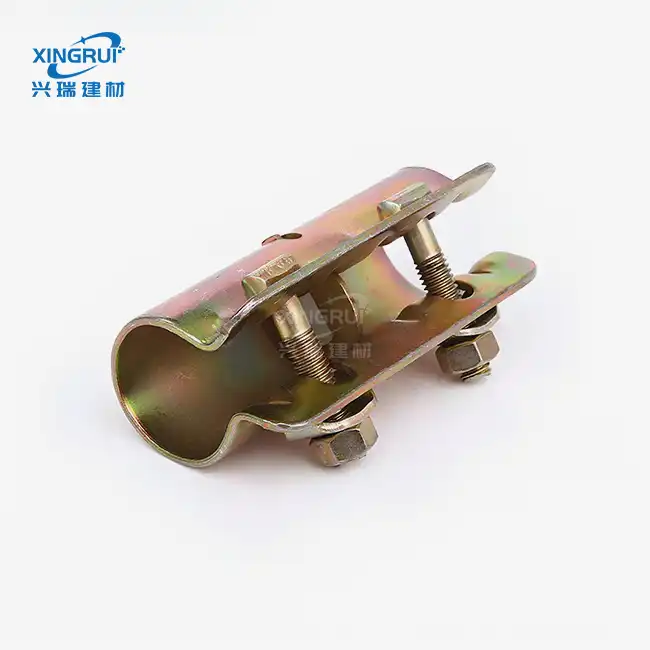
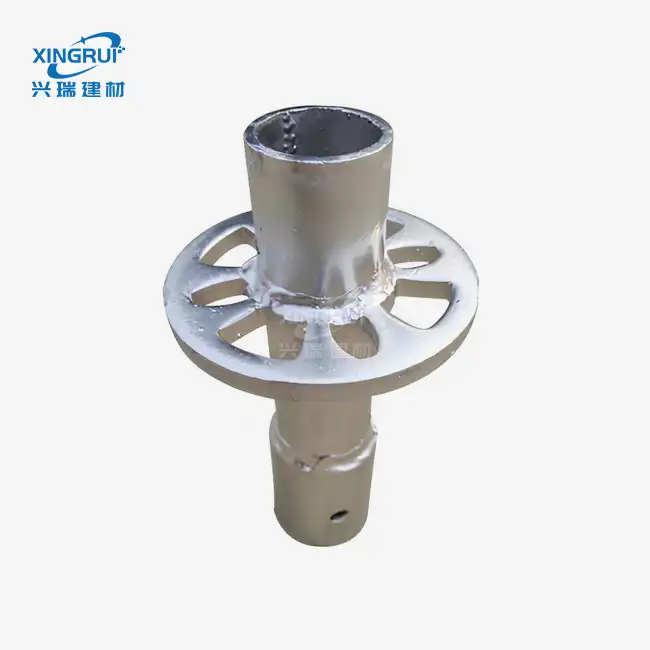
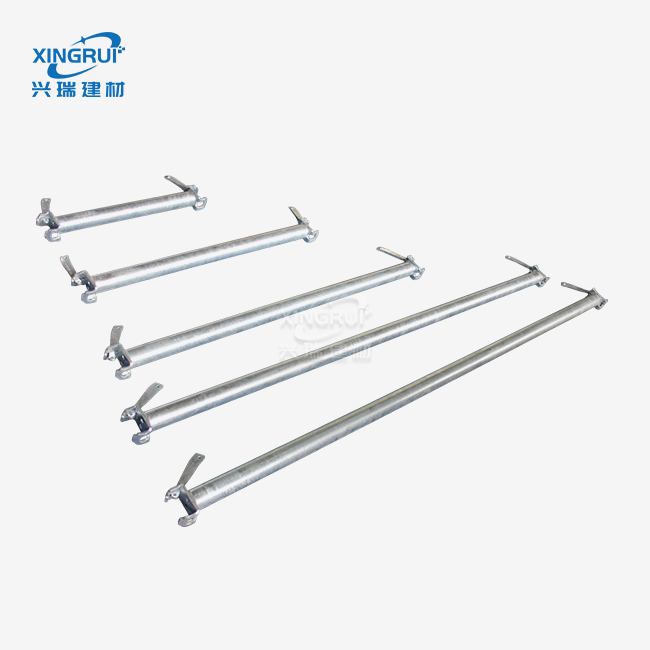
Scaffold Diagonal Brace
2. Diagonal reinforcement component of frames; serving tie, stabilization, and anti-overturning functions
3. Suited to ultra-high and large-span scaffolding
4. Custom sizing available, reusable
5. Certified under ISO 9001, ISO 14001, and ISO 45001 management systems.
6. Samples and technical guidance available
Scaffold Diagonal Brace - Professional Stabilization Solution for Scaffolding Systems
Shandong Xingrui Building Materials Co., Ltd. manufactures premium Scaffold Diagonal Brace components engineered from Q235 high-grade steel for superior structural reinforcement. Our diagonal braces serve as critical tie and stabilization elements, preventing frame overturning in ultra-high and large-span scaffolding applications. We have a 79,800 m2 manufacturing plant, with 12 state of the art welding robots providing custom sized reusable bracing solutions, certified to ISO 9001, ISO 14001, and ISO 45001 management systems. Our 180 skilled specialists undertake thorough quality traceability controls on each product, guaranteeing a dependable performance in more than 100 export markets across the globe.
What Is a Scaffold Diagonal Brace?
The product is a lateral stabilising element, removing the effect of the parallelogram of the scaffolding frames. It forms a triangulation between vertical standards and horizontal ledgers, transferring wind pressure and dynamic stresses straight to the foundation.
This reinforcing component solves the main safety issues. It avoids structural collapse during high-rise construction and removes the swing of temporary access platforms. Your scaffolding system is solid and stable, eliminating the danger of vibration to workers at height.
This brace provides a load route for distributing loads to retain the frame geometry under stress. This engineering approach turns unstable rectangular frames into stable triangulated units that can resist lateral stresses.
Technical Specifications
| Parameter | Specification |
|---|---|
| Material | Q235 Premium Carbon Steel |
| Connection Type | Wedge Bolt Locks (Dual-End) |
| Application System | Ringlock / Cuplock Scaffolding |
| Length Options | Customizable to Frame Span |
| Primary Function | Vertical & Horizontal Reinforcement |
| Load Capacity | High Shear Strength (EN 12811-1 Compliant) |
| Surface Treatment | Hot-Dip Galvanization (≥85μm) |
| Reusability | Multiple Construction Cycles |
| Quality Standards | ISO 9001 / ISO 14001 / ISO 45001 |
Core Properties and Advantages
Our Scaffold Diagonal Brace delivers exceptional performance through precision engineering. The Q235 steel composition provides optimal weight-to-strength ratios, enabling easy handling without compromising structural integrity.
The dual wedge bolt lock mechanism ensures firm attachment to disc joints. This connection withstands horizontal wind loads and resists dislodgement during construction activities. Your frame system achieves enhanced anti-overturning performance critical for safety compliance.
Hot-dip galvanization treatment offers superior corrosion resistance. The coating thickness exceeds 85 micrometers, protecting the brace in harsh environmental conditions. This surface treatment extends service life across multiple project cycles, reducing replacement costs.
Dimensional precision maintains tolerances within ±1.5mm. This accuracy eliminates assembly stress and ensures consistent load distribution across the scaffolding network. You benefit from predictable structural behavior during installation and operation.

Primary Application Scenarios
High-rise facade construction represents the primary use case. Your external scaffolding gains stability against wind shear forces exceeding 50 meters in height. The bracing maintains vertical alignment throughout multi-story building projects.
Heavy-duty shoring systems in infrastructure projects require robust lateral support. Bridge deck construction and tunnel boring operations utilize these braces to stabilize massive formwork towers. They prevent lateral shifting during concrete pours weighing hundreds of tons.
Industrial maintenance platforms demand irregular bracing configurations. Petrochemical facilities use diagonal braces to secure cantilevered access around spherical storage tanks. The components adapt to complex piping networks where standard reinforcement patterns prove inadequate.
Long-span scaffolding in commercial and warehouse construction benefits from strategic brace placement. You achieve extended bay lengths while maintaining structural rigidity for material storage and equipment positioning.

Quality Control Standards
Our manufacturing process implements four-tier inspection protocols. Weld integrity verification utilizes Non-Destructive Testing to confirm full penetration at connection points. Every joint receives NDT analysis to eliminate porosity risks.
Coating thickness measurement employs magnetic gauges at multiple points. We verify galvanization layers meet the 85-micrometer minimum across the entire surface. This ensures uniform corrosion protection throughout the component lifecycle.
Dimensional inspection validates length accuracy and straightness. Automated measurement systems check tolerances to prevent assembly complications. You receive components that fit precisely within your scaffolding framework.
Mechanical load testing subjects samples to tensile and compression forces per EN 74-1 standards. We simulate failure conditions to validate rated capacities before shipment. This testing confirms performance under extreme operational stresses.
FAQ
Q:How often should diagonal braces be installed in scaffolding systems?
A:Standard practice requires bracing every 3 to 5 bays. For projects exceeding 30 meters or in high-wind zones, consult structural engineers for wind-load calculations that may necessitate closer spacing.
Q:Can braces from different scaffolding systems be interchanged?
A:System compatibility is critical. Ringlock wedge connections differ from Cuplock blade fittings. Always verify connection mechanisms match your specific scaffolding type to maintain safety integrity.
Q:What indicators signal brace replacement?
A:Retire braces exhibiting kinking, visible weld cracks, or surface corrosion exceeding 10%. Competent person inspections should document these conditions immediately to prevent structural failures.
Q:How does bracing angle affect scaffolding stability?
A:Optimal performance occurs between 35° and 55°. Angles outside this range reduce horizontal load transfer efficiency by up to 40%, compromising the frame's lateral resistance capacity.
Q:Are specialized tests required for coastal construction?
A:Maritime projects benefit from 480-hour salt spray testing per ASTM B117. This verification ensures coating durability in saline-heavy atmospheres common to port and offshore installations.
Contact Us
Contact us today at sdxingruiqp@126.com to discuss your scaffolding reinforcement needs. Let our certified solutions like Scaffold Diagonal Brace elevate your construction safety standards.
Learn about our latest products and discounts through SMS or email