- English
- French
- German
- Portuguese
- Spanish
- Russian
- Japanese
- Korean
- Arabic
- Greek
- German
- Turkish
- Italian
- Danish
- Romanian
- Indonesian
- Czech
- Afrikaans
- Swedish
- Polish
- Basque
- Catalan
- Esperanto
- Hindi
- Lao
- Albanian
- Amharic
- Armenian
- Azerbaijani
- Belarusian
- Bengali
- Bosnian
- Bulgarian
- Cebuano
- Chichewa
- Corsican
- Croatian
- Dutch
- Estonian
- Filipino
- Finnish
- Frisian
- Galician
- Georgian
- Gujarati
- Haitian
- Hausa
- Hawaiian
- Hebrew
- Hmong
- Hungarian
- Icelandic
- Igbo
- Javanese
- Kannada
- Kazakh
- Khmer
- Kurdish
- Kyrgyz
- Latin
- Latvian
- Lithuanian
- Luxembou..
- Macedonian
- Malagasy
- Malay
- Malayalam
- Maltese
- Maori
- Marathi
- Mongolian
- Burmese
- Nepali
- Norwegian
- Pashto
- Persian
- Punjabi
- Serbian
- Sesotho
- Sinhala
- Slovak
- Slovenian
- Somali
- Samoan
- Scots Gaelic
- Shona
- Sindhi
- Sundanese
- Swahili
- Tajik
- Tamil
- Telugu
- Thai
- Ukrainian
- Urdu
- Uzbek
- Vietnamese
- Welsh
- Xhosa
- Yiddish
- Yoruba
- Zulu
Cuplock Steel Tube Scaffolding Cost: Key Factors for Buyers
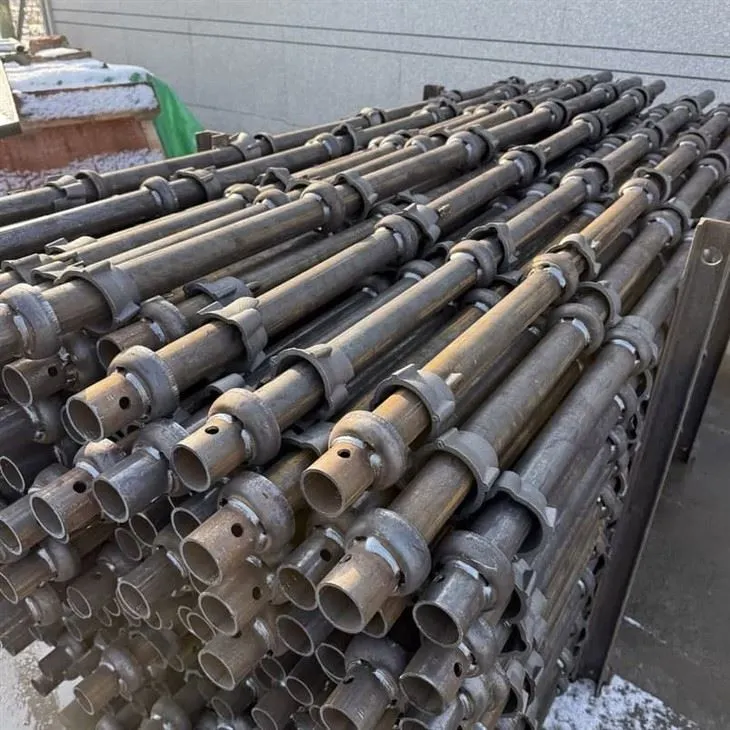
Not just the price per tonne, cuplock steel tube scaffolding costs rely on steel grade, thickness of the wall, component weight, surface treatment, accessories, load requirements, and delivery conditions. A cheap quotation may leave off jacks, bracing, platforms, or guardrails, resulting in a local buy. I created this guidance for contractors, procurement managers, and distributors to compare equal proposals. In Rizhao, Shandong, GREEN FORMWORK manufactures Q235 cuplock systems. The points below represent manufacturing and export practice. Sections develop toward a coherent quote request.
What Determines Cuplock Steel Tube Scaffolding Cost?
Material, Wall Thickness, and Finish
Steel costs a lot since the system is primarily tube. Our standards use Q235 steel structure with a Φ48.3mm outside diameter and 3.0mm to 4.0mm wall thickness. A thicker wall adds weight and boosts the price per piece, but also alters load behaviour, thus two quotations with different barriers are not equivalent. Finish changes the number. Painting is good for brief inside works, while ISO 1461 hot-dip galvanising protects exterior parts. Our galvanised parts have 60-80 micron zinc. Get grade, the wall, and coating from each provider in writing.
Cost per Ton vs. Cost per Square Meter
First, compare price per tonne as tube is sold by weight. It is not used to describe a polished scaffold. A supplier can cite a heavier ledger mix, omit accessories, or leave packaging. Working height, bay distance, load class, platform arrangement, bracing, and access affect cost per square metre. Request an itemised weight list, component schedule, packaging information, freight estimate, responsibilities, and inspection fees. Then standardise all offers by system cost or useful square metre. That step makes dispersed numbers comparable.
Load Capacity and Technical Specifications
Material utilisation changes with load for cuplock steel tube scaffolding. A scaffold for workers and light tools varies from one for masonry, bridge slabs, or industrial maintenance. Consider wind, impact, self-weight, working load, and specific temporary loads. Regulation 29 CFR 1926.451 by OSHA mandates that scaffolds support their own weight and four times their maximum load. Higher load classes need extra bracing or standards, increasing expense. Be sure to check maker dimensions before comparing. The table shows our standard parameters.
| Parameter | Specification |
|---|---|
| Steel grade | Q235 |
| Tube outer diameter | Φ48.3mm |
| Wall thickness | 3.0mm–4.0mm |
| Node spacing | 600mm |
| Cross bar lengths | 0.9m / 1.2m / 1.5m |
| Connection | Self-locking bowl buckle |
| Surface treatment | Hot-dip galvanizing, 60–80 microns |
| Cup spacing tolerance | ±1.5mm |
Choosing the Right Cuplock System and Finish
Cuplock vs. Alternative Systems
Flexibility, erection speed, load capacity, storage, and regional acceptability varies between cuplock, ringlock, kwikstage, and frame scaffolding. Cuplock locks up to four horizontals into one node, making it ideal for repeating constructions, industrial maintenance, and shoring. Frame scaffolding suits straight facades. Ringlock has additional connection angles for complicated geometries, and kwikstage matches local markets. Select project kind, personnel skill, spare-part supply, transit distance, and local laws. Compare lifespan cost, including reuse and labour hours, not just purchase price.
New, Used, Painted, or Galvanized
New equipment standardises size, paperwork, and performance. Used equipment reduces the initial payment, but bent standards, broken cups, rust, fractured welds, and missing parts might negate the savings after repair and sorting. Painted systems suit indoor short work. Outdoors, along the seaside, or in extended rental cycles, hot-dip galvanised systems withstand corrosion better. Total ownership cost includes maintenance, storage, repair, resale, and project reuse. A greater initial price for galvanised components might pay off across several contracts. Request coating thickness, not simply "galvanised."
Reuse and Customization
Reuse reduces project costs, thus we design solutions for it. Our cuplock system is reusable and made to client designs and samples. That enables contractors get specific lengths, private labels, and stock-matching parts. Early discussion of custom work tooling, approval samples, minimum order quantity, and lead time is advised. Our Rizhao base produces tube and nodes with four cold roll forming machines and 12 welding robots. We'll confirm your drawing's possibilities.
Compliance, Quality Control, and Safety Requirements
Standards to Check
Find out the regulations before buying cuplock steel tube scaffolding. 29 CFR 1926 Subpart L of OSHA covers building scaffolding in the US. Temporary works scaffold performance and design are regulated by BS EN 12811-1. Local temporary-work laws may add. Since each standard covers a different step, check how it pertains to design, fabrication, erection, inspection, and usage. Ask your supplier for documentation, then compare them to your project specification and engineer's needs. An hour-long examination may avoid delivery rejection.
Quality Checks Before Shipping
Here are the three checks I recommend on every order.
- Material proof: Ask for mill test certificates that confirm yield and tensile strength of the Q235 steel. Matching every batch to its certificate gives you traceability from raw material to finished part, and it gives your site engineer something concrete to check during a later inspection.
- Weld and node checks: Every batch goes through CO2 gas shielded welding verification, and periodic magnetic particle testing looks for weld defects at the nodes. Cup and blade geometry matters here, because one weak node can weaken the whole connection and endanger the crew above it. Ask to see weld records.
- Dimensions and coating: Cup spacing within ±1.5mm keeps standards plumb and ledgers aligned, which speeds erection and avoids forced fits on site. For galvanized parts, ask for zinc thickness readings against the 60-80 micron target. Measure a few pieces yourself.
These checks catch defects at the factory instead of at your site, where a rejected batch costs far more.
Certifications and Samples
ISO 9001 quality, ISO 14001 natural, and ISO 45001 occupational and safety management processes govern GREEN FORMWORK. Factory processes are described by such certifications. Keep both—they don't replace product testing. We provide samples and technical support to let your engineer assess tube wall, cup fit, and node action before a major purchase. Pre-shipment inspection by your agency or a third party increases control. Extra testing and documentation cost money but avoid site rejection, delays, nor replacement orders.
Buying Cuplock Scaffolding in Bulk and Choosing a Supplier
Writing a Clear RFQ
Detailed quote requests provide similar bids. Define application, destination, quantity, dimensions, load class, standards, finish, accessories, packing, inspection, delivery timetable, and Incoterms. Clear specifications reduce pricing conflicts and adjustments. Larger orders enhance unit pricing and freight efficiency, but examine minimum order quantity, manufacturing capability, repeat-order flexibility, and spare-part availability. List each batch and its arrival date for foreign projects so the supplier may arrange production around your milestones instead of one massive shipment.
Packing, Shipping, and Landed Cost
Landed cost exceeds factory pricing. Packaging, labelling, moisture protection, the loading of containers plans, customs documentation, inland transit, and port fees add up. On international locations, long inland trucking and clearing times might disrupt delivery, so enquire how the supplier manages export documentation including customs declarations, examination certificates, and certificates of origin. Rizhao, a maritime city, is our headquarters, therefore factory to vessel is quick. Because replacing damaged parts requires another overseas shipping, plan spares early.
Verifying a Manufacturer or Export Supplier
Sort trading firms, standard vendors, and factory-export providers for cuplock steel tube scaffolding, then check claims. Request manufacturer samples, references, reliability records, and inspections. Since 2007, GREEN FORMWORK manufacturer Shandong Xingrui Building Materials Co., Ltd. has operated on a 79,800-square-meter facility with 920 people, including 180 technicians. We export to over 100 countries and regions from our 6 automated welding and 5 semi-automatic forging machines. A good supplier also finds component incompatibilities and drawing problems before they reached your site.
A Practical Cost-Planning Process for Buyers
Step-by-Step Budget Process
From approximate budget to solid determination in five phases. First, specify application, working height, platform arrangement, load class, environment, standards, or reuse cycles. Next, create a bill of materials for standards, ledgers, transoms, brace, jacks, platforms, barriers, access equipment, and spares. Request quotations with same specs, Incoterms, and inspections terms. Calculate lifetime value and landed cost. Finally, before choosing a provider, verify samples, certifications, dimensions, coating records, and packaging. Teams who purchase for several locations may run this sequence once and utilise it for each batch.
Where Cuplock Fits Best
Standardised tube bases and cup-lock connectors provide our cuplock steel tube scaffolding strength and integrity for high-rise and large-scale building construction. The technology supports heavy-duty bridge and tunnel slab shoring, industrial maintenance and difficult building edge façade access. Ledgers have forged blade ends and lock into permanent and sliding cups, so workers lose fewer loose fittings than with tube-and-clamp. Lower project costs result from larger projects spreading design, testing, and freight costs over several reuse cycles.
Common Costly Mistakes
Most issues arise when purchasers compare prices without verifying technological equivalents. A weak quotation might seem inexpensive due to tube thickness, steel quality, component numbers, coating, and included services. Base jacks, braces, platforms, guardrails, toe boards of directors, ladders, and stair units are typically absent from bids and cost more locally. Different cup, tube, and ledger sizes might present fit issues when mixing suppliers. A typical comparison sheet avoids most of these mistakes. Complete the fields below for each provider and compare totals.
| Quote item | What to confirm |
|---|---|
| Steel grade and wall | Q235, wall thickness in mm |
| Component list | Jacks, braces, platforms, guardrails, toe boards |
| Weight | Itemized by piece |
| Finish | Painted or galvanized, zinc microns |
| Packing | Bundles, labels, container plan |
| Terms | Incoterms, freight, duties, inspection |
Conclusion
A price per tonne is merely a starting point for cuplock steel tube scaffolding, which depends on steel grade, wall thickness, finish, extras, and load class, and delivery conditions. A meaningful comparison requires itemised weights, matching component lists, and landed cost translated to a full system or useable square metre. System choice, new or galvanised equipment, and reuse affect lifespan cost, while standards, mill certifications, weld and node inspections, and coating records limit rejects. Bulk orders are on time with clear RFQs, package plans, spare-part planning, and supplier proof. These procedures help buyers compare offers and prevent delivery surprises.
FAQ
Is cuplock steel tube scaffolding priced per ton or per set?
Either method works if the specification is clear. Price per ton helps early comparison, while a complete-system or square-meter price shows real project cost. Request an itemized weight list and component schedule either way.
Does galvanizing raise the cost?
Yes, the first price runs higher than painted. Hot-dip galvanizing per ISO 1461 adds corrosion protection, which can lower maintenance and extend service life outdoors or near the coast.
Can I order custom sizes or request samples?
Yes. We produce to customer drawings and samples, and we supply samples and technical assistance. Send your drawing, quantity, and destination so we can confirm lead time and shipping.
Which standard should I check first?
Start with your project specification. In the United States, OSHA 29 CFR 1926 Subpart L applies to construction scaffolds, and BS EN 12811-1 is a common performance reference elsewhere.
Request a Cuplock Steel Tube Scaffolding Quotation from GREEN FORMWORK
Send your drawings, quantities, working height, load class, finish, and destination to GREEN FORMWORK at sdxingruiqp@126.com. As a cuplock steel tube scaffolding manufacturer in Rizhao, we make Q235 systems to order, reusable, under ISO 9001, ISO 14001, and ISO 45001 management systems, with sample supply and technical assistance. We will reply with an itemized quotation and a shipping plan matched to your project dates. Visit sdxingrui.com for details.
References
1. OSHA, Safety and Health Regulations for Construction: Scaffolds (29 CFR 1926 Subpart L), 1996
2. British Standards Institution, BS EN 12811-1 Temporary Works Equipment: Scaffolds, Performance Requirements and General Design, 2003
3. International Organization for Standardization, ISO 1461 Hot Dip Galvanized Coatings on Fabricated Iron and Steel Articles, 2022
4. Standardization Administration of China, GB/T 700 Carbon Structural Steels, 2006
5. International Organization for Standardization, ISO 9001 Quality Management Systems: Requirements, 2015
6. International Organization for Standardization, ISO 45001 Occupational Health and Safety Management Systems, 2018
Learn about our latest products and discounts through SMS or email